
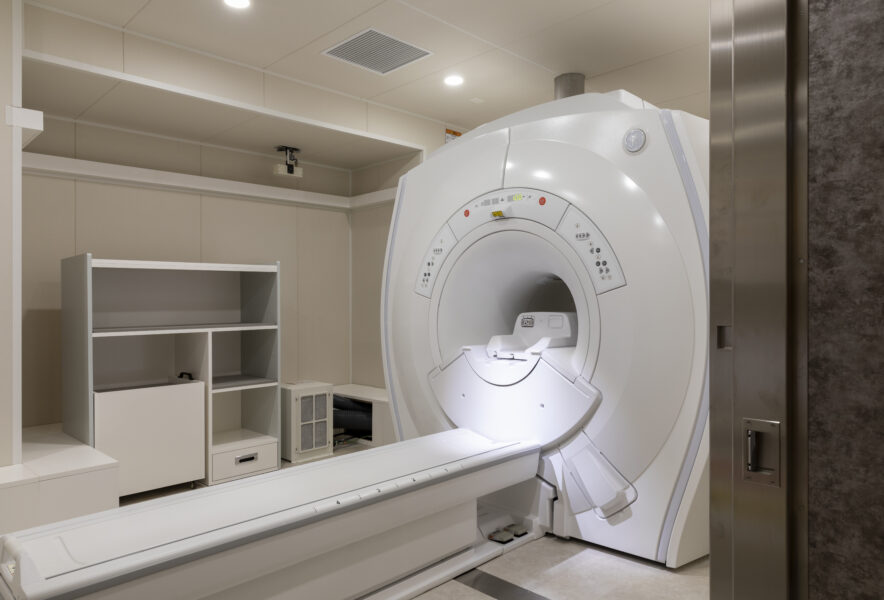
Early detection is crucial for cancer, and advancements in diagnostic technology are key. One new diagnostic method that has recently gained attention is DWIBS (Diffusion-Weighted Whole-Body MRI). What are the advantages of this method compared to other health checkups? This article provides a detailed explanation of DWIBS, its features, and how it differs from and benefits from conventional cancer screenings.
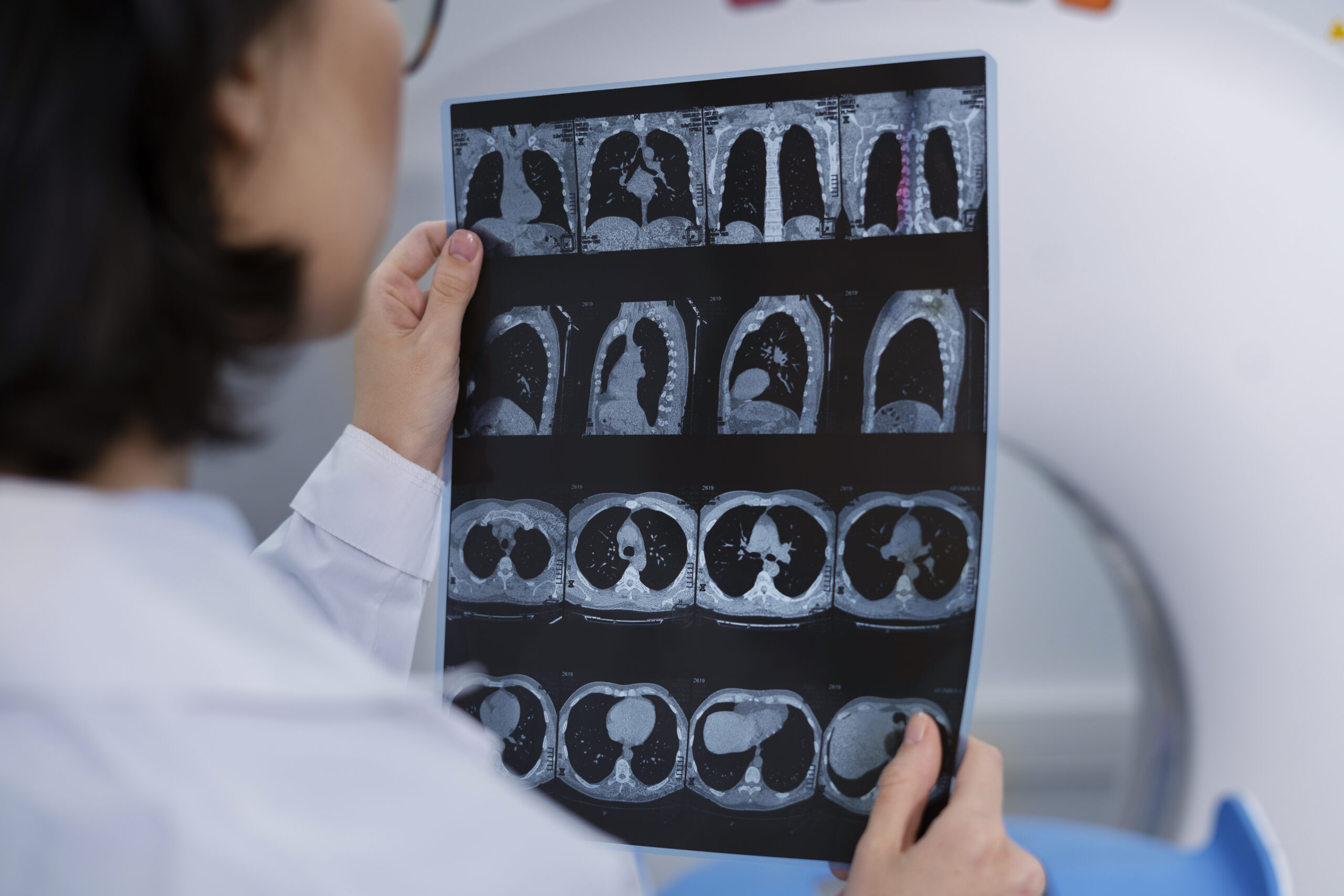
What is DWIBS?
DWIBS (Diffusion-Weighted Whole-Body Imaging with Background Body Signal Suppression) is a type of whole-body screening using MRI (Magnetic Resonance Imaging). This technique utilizes the specific diffusion characteristics of cancer cells to detect cancer with high sensitivity. MRI is a technique that uses strong magnetic fields and radio waves to create detailed images of the inside of the body, and is considered highly safe because it does not use radiation.
Features of DWIBS
1. High sensitivity and high precision
DWIBS is based on the fact that cancer cells have different diffusion characteristics than other normal cells. Specifically, cancer cells exhibit a unique signal pattern on MRI because the movement of water molecules is restricted compared to normal cells. This characteristic makes it possible to detect cancer cells with high sensitivity. It is particularly effective in detecting small or early-stage cancers. This enables early detection of cancer and can increase the success rate of treatment.
2. non-invasive
DWIBS does not use radiation, so there is no risk of radiation exposure. Furthermore, the examination itself is non-invasive and causes minimal pain and discomfort. While some conventional examination methods involve invasive techniques such as needle insertion or camera insertion into the body, DWIBS offers the significant advantage of avoiding these discomforts.
3. Full body examination is possible.
Because the entire body can be scanned in a single examination, it is possible to detect cancer in multiple locations. This is particularly useful when metastasis is suspected or when checking for the presence of multiple cancers. Since it can simultaneously check for cancers that may have spread to other organs, it also serves as a comprehensive health checkup.
Differences from conventional cancer screening
Comparison with CT scans and PET-CT
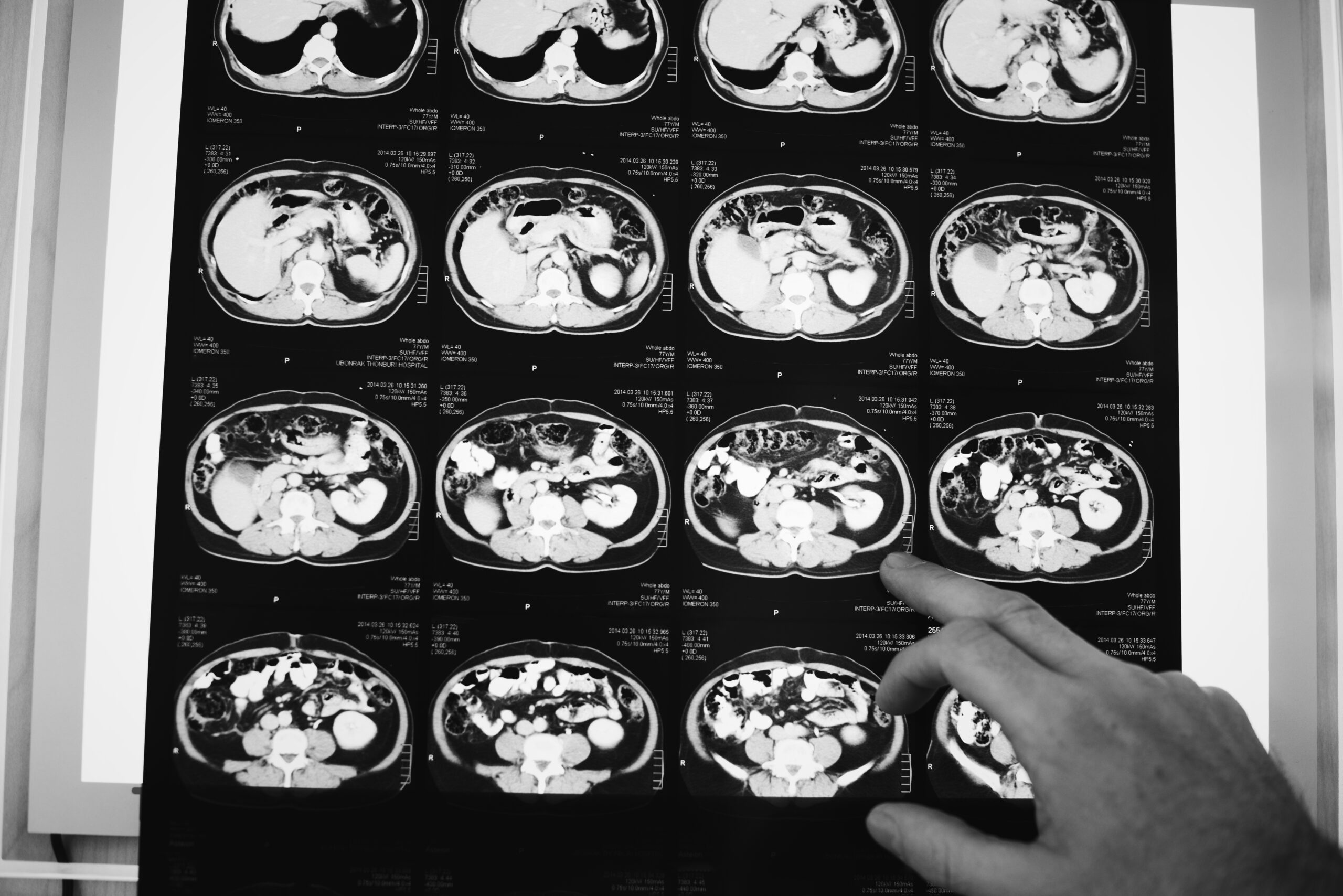
CT scanCT scans use X-rays to create internal images, but they carry the risk of radiation exposure. Furthermore, it can be difficult to distinguish between cancer cells and normal cells. While CT scans are excellent for detecting bone abnormalities and large tumors, they have limitations in detecting small cancers.
PET-CTPET-CT detects cancer by injecting radioactive material into the body, but it still carries the risk of radiation exposure. Furthermore, it is expensive and the examination takes a long time. While PET-CT is excellent for assessing cancer activity, whole-body scans are time-consuming and costly.
DWIBSCompared to these methods, this method is non-invasive and has the significant advantage of eliminating concerns about radiation exposure. Furthermore, the examination time is relatively short, and results can be obtained quickly.
Comparison with mammography and ultrasound examinations
mammographyWhile particularly effective for the early detection of breast cancer, mammography carries a risk of radiation exposure due to its use of X-rays. Furthermore, its effectiveness may be reduced in individuals with dense breast tissue. Mammography is specifically designed for breast cancer screening and cannot be applied to cancers in other parts of the body.
Ultrasound examinationWhile non-invasive and safe, it may miss cancers depending on their location and size. It has limitations in detecting cancers, especially those hidden in fatty areas or behind bone.
DWIBSCompared to these methods, this method allows for a whole-body scan at once, making it suitable for checking for cancer throughout the body, not just in specific areas. Because it is not limited to a specific area, it allows for a comprehensive assessment of overall health.
Advantages of DWIBS
1. Improved early detection
Highly sensitive detection capabilities increase the likelihood of detecting cancer in its early stages. Early detection is a crucial factor in significantly improving treatment success rates. If cancer is detected while it is still small, treatments such as surgery and radiation therapy can be performed more effectively, thus improving patient survival rates.
2. A sense of security
Because there is no radiation exposure, you can undergo repeated examinations with peace of mind. Regular screening is possible, especially for high-risk individuals. For example, for people with a family history or genetic factors that put them at high risk of cancer, the ability to undergo regular examinations without burden is a major advantage.
3. Comfort of the examination
Because it is non-invasive, the examination itself is painless. The examination time is also relatively short, minimizing the burden on the patient. Typically, the examination is completed in about 30 to 60 minutes, and patients can return to their daily lives immediately afterward.
4. Addressing a variety of cancers
Because the entire body can be scanned in a single examination, multiple cancers can be detected simultaneously. This allows for a comprehensive check of overall health status with a single test. It is particularly useful when there is a risk of cancer developing in multiple parts of the body, or when you want to evaluate your overall health status at once.
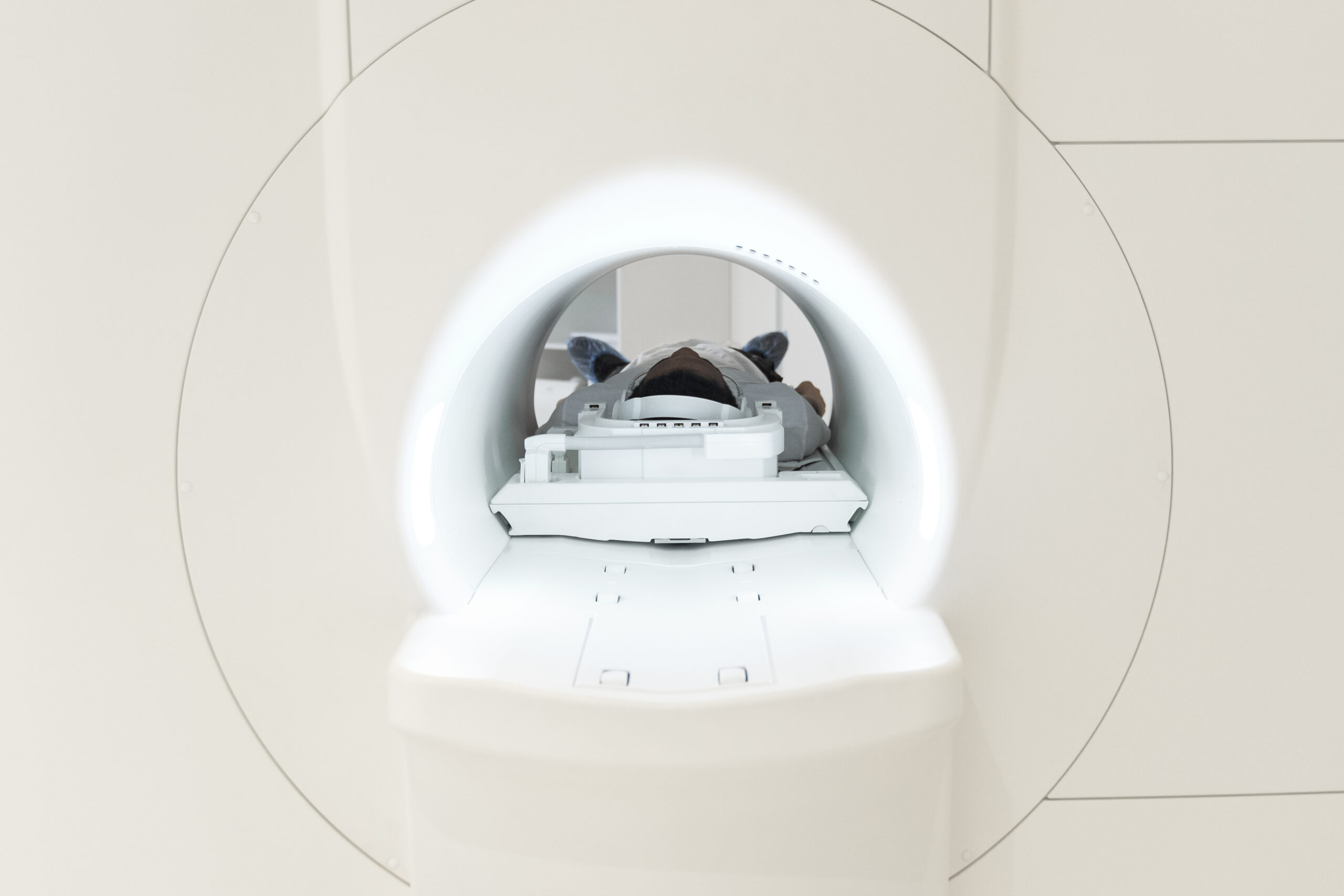
DWIBS Test Procedure
DWIBS testing is,It takes approximately 30 minutes to 1 hour to complete.Here's an explanation of the testing process and the time it takes to get the results.
1. Before the examination
Dietary and behavioral restrictionsThere are no special restrictions on the day before or the day of the examination. However, some facilities may require dietary restrictions on the day of the examination due to the use of oral contrast agents.
2. On the day of the examination
- Inspection registrationI will go to the examination reception by my scheduled appointment time.
- Fill out the medical questionnaireYou will fill out a questionnaire regarding your health condition and medical history.
- Move to the examination waiting room.Once you have finished filling out the form, please wait in the waiting room.
- changing clothes: Change into a medical gown in the changing room.
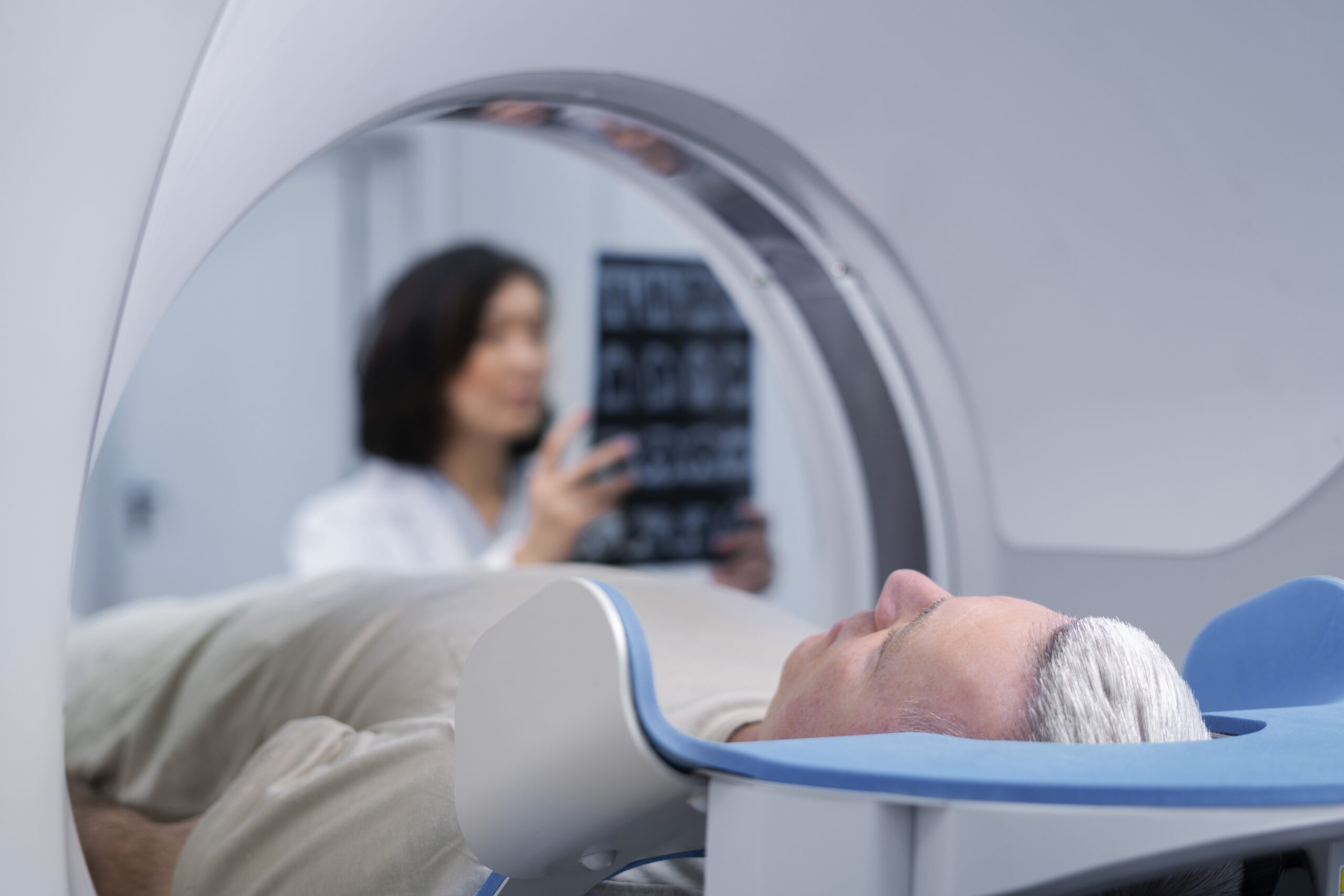
- DWIBS TestThe examination takes place in an MRI examination room. A special coil is placed on your body or in front of your face to take images. The examination takes about 30 minutes to 1 hour and is painless.
- Change of clothesAfter the examination is over, you will change clothes in the changing room.
3. Explanation of Results
Test results are usually mailed within 2-3 weeks, although this may vary depending on the facility.
DWIBS Precautions
Since DWIBS uses an MRI machine, the same precautions as for a general MRI examination apply.
Those who may not be eligible for DWIBS
If you meet any of the following conditions, please check with a medical facility in advance to see if you can be tested.
- pregnant
- Some people have metal implants in their bodies, such as pacemakers, artificial joints, cochlear implants, and cerebral aneurysm clips.
- If you use magnetic dentures (they may become unusable)
- If you have tattoos or permanent makeup, you may experience discoloration or fever.
- Claustrophobia
- It is difficult to remain still during the examination.
Items that are prohibited from being brought in
The following items cannot be brought into the DWIBS testing room, so please remove them all before the test.
- clock
- Earrings, necklaces
- dentures
- mobile phone
- Colored contact lenses
- Adhesives and heat packs that contain metal
Measures for people with claustrophobia
For people with claustrophobia, measures such as wearing an eye mask, lowering the pillow, and playing music are taken to make the examination easier. If you have claustrophobia, it is a good idea to check with the medical facility in advance to see if they have any measures in place to accommodate you.
summary
DWIBS (Diffusion-Weighted Whole-Body Imaging) is attracting attention as a new option for cancer screening. Its high sensitivity, accuracy, non-invasiveness, and ability to examine the entire body are significant advantages over conventional screening methods. This technology, which eliminates the risk of radiation exposure and enables early detection, is expected to become increasingly widespread and save many lives. It is definitely worth considering DWIBS as an option for health checkups and cancer screening. Take the first step in protecting your health by utilizing the latest cancer screening technology.









Comment