
Advances in regenerative medicine for joint pain and tenosynovitis
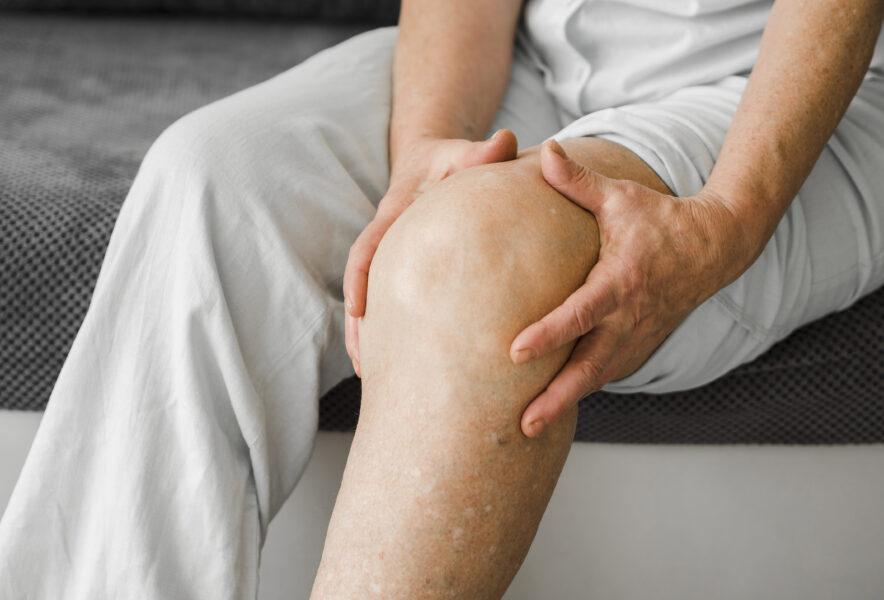
Rapid advances in regenerative medicine have made it possible to alleviate chronic pain such as joint pain and tenosynovitis without surgery. For many people who tend to give up on treating their pain due to age, the latest regenerative medicine offers a ray of hope. Currently, there are approximately 30 million people in Japan suffering from joint pain, but many have given up on a complete cure and their daily lives are significantly affected. Traditional treatments only involved prescribing patches and painkillers, without addressing the root cause. However, with the spread of regenerative medicine, joint pain is becoming a treatable condition.

Causes of joint pain and approaches to regenerative medicine
Joint pain is often attributed to cartilage wear, but in reality, cartilage itself does not contain pain-sensing nerves. When cartilage wears down, the surrounding tissues become unstable, which causes joint instability and inflammation, leading to pain. If the pain persists, the synovial membrane overreacts and causes swelling. As a result, when pain persists for a long time, people tend to want to keep the joint still and rest, but this leads to a vicious cycle where ligaments and muscles stiffen, further worsening the pain.
Regenerative medicine offers a new approach to chronic joint pain. Using stem cell therapy and PRP (platelet-rich plasma) therapy, it's possible to promote the repair of pain-causing tissues and restore joint stability. This allows patients to be free from pain and return to their normal daily lives.
The importance of thorough examination and early treatment
If joint pain persists or recurs, a thorough examination is necessary. MRI and X-ray examinations allow for a detailed assessment of the joint condition, enabling the selection of the most appropriate treatment. Early detection and treatment are crucial for regenerative medicine, as they can prevent the progression of symptoms. If you experience any discomfort or joint pain, it's important to visit a medical institution promptly and receive appropriate treatment.
Comparison of the relationship with tenosynovitis and treatment methods
Similar to joint pain, tenosynovitis can also cause chronic pain. Tenosynovitis is a condition in which inflammation occurs in the tendons that transmit muscle movement, and because it is close to ligaments and joints, it can be difficult to distinguish the symptoms. However, the treatment methods are basically the same. Tenosynovitis can also be effectively treated using PRP therapy or stem cell therapy.
Temporary effects and limitations of hyaluronic acid injections
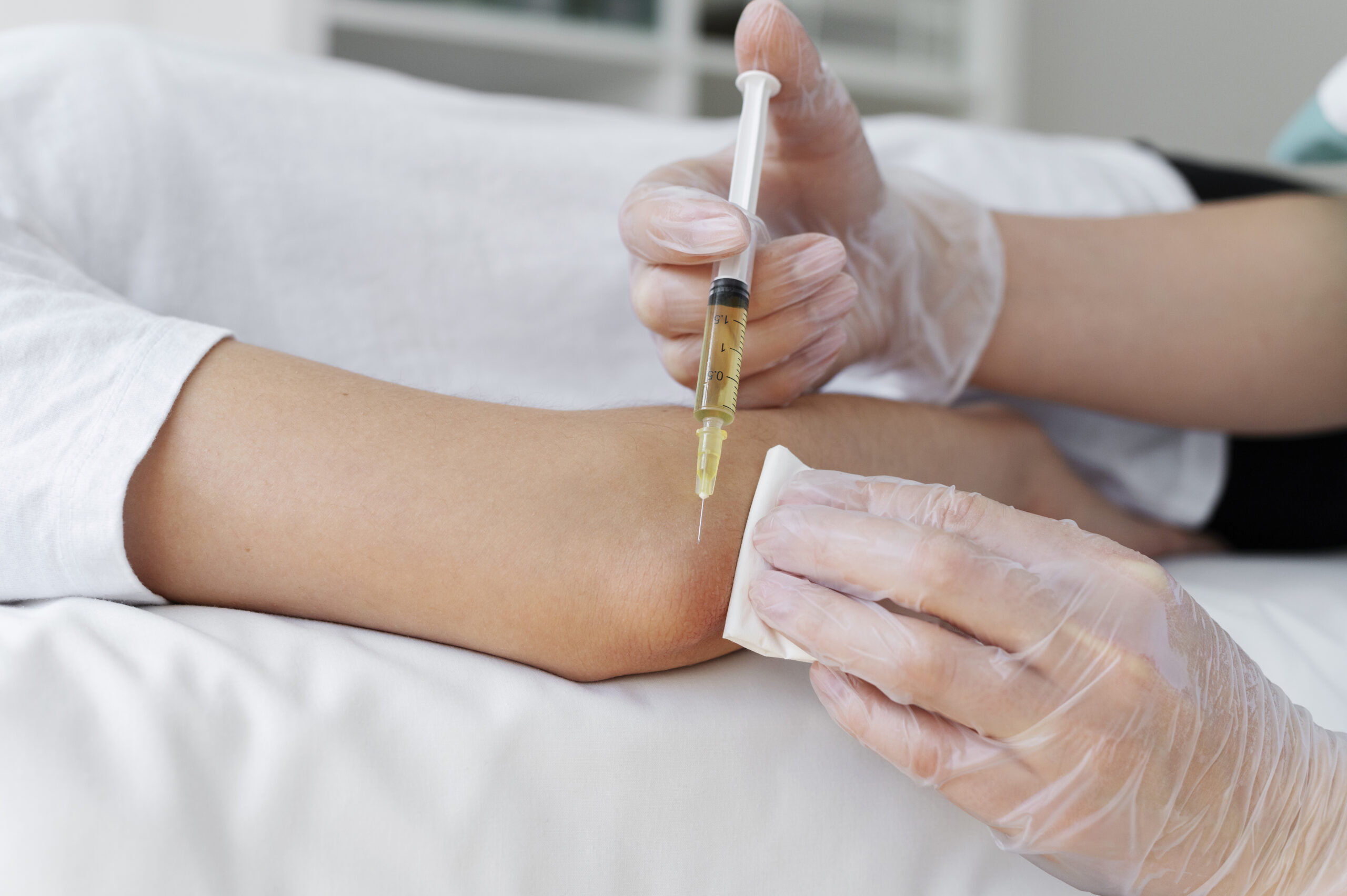
A well-known treatment for common joint pain is hyaluronic acid injection. This replenishes the hyaluronic acid contained in the synovial fluid, smoothing joint movement and reducing pain. However, this effect is temporary and does not provide a fundamental cure. Depending on the severity of the joint pain, hyaluronic acid injections alone may not be sufficient.
The disadvantages of artificial joint surgery and the advantages of regenerative medicine
While artificial joint replacement surgery is a common treatment for severe joint pain, it has several drawbacks. As the artificial joint deteriorates, further surgery becomes necessary, and each time, an increasing amount of bone needs to be removed. Furthermore, there is a higher risk of muscle weakness and rapid debilitation due to lack of exercise for a certain period after surgery. This is a particularly significant burden for the elderly. On the other hand, regenerative medicine has the advantages of not requiring surgery, being less burdensome on the body, and offering faster recovery.
Synergistic effects of combining PRP therapy and stem cell therapy
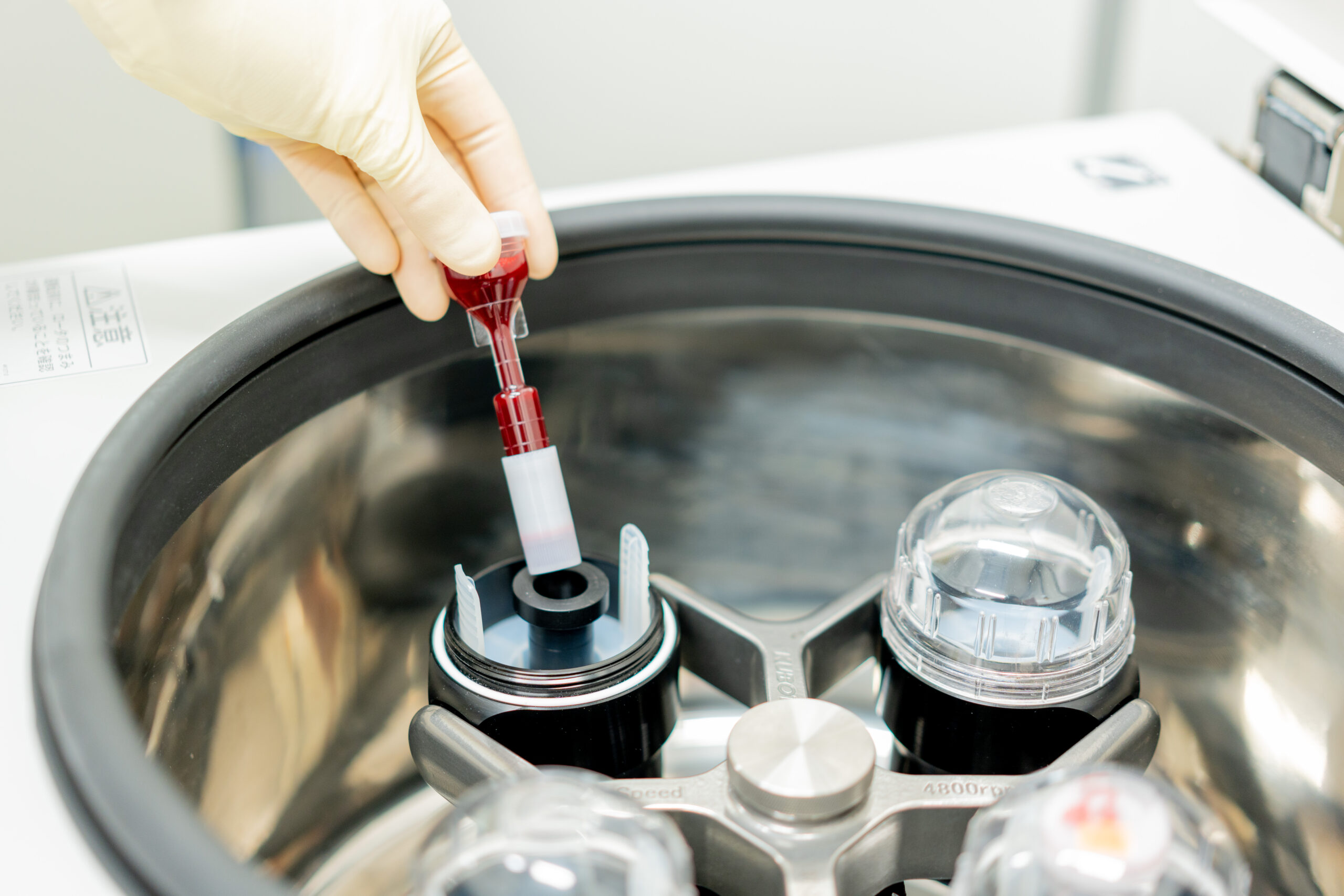
In the field of regenerative medicine, the combined use of PRP therapy and stem cell therapy is attracting attention. PRP uses platelet-rich plasma extracted from the patient's own blood and is injected into the affected area to attract stem cells and promote tissue repair. This treatment method is also known to have been used by a Japanese Major League Baseball player. PRP therapy can be administered on the same day and is widely used in the treatment of athletes.

The future of stem cell therapy and legal challenges
Stem cell therapy is a groundbreaking treatment, but it has the drawback of being time-consuming to collect and culture cells. While it is now known that using stem cells from other people is safe, there are legal restrictions. If the law is amended, treatment speed could improve, and lower costs could become a reality. In the future, we may see an era where people can easily visit a doctor and receive stem cell therapy if they experience knee problems.

Reviewing lifestyle habits and preventive measures
Even if joint pain is cured by stem cell therapy, it can recur due to lifestyle factors such as lack of exercise and poor nutrition. Poor body balance puts strain on the lower back and knees even when simply walking. To improve this, it is important to seek advice from a specialist and learn correct posture and exercise methods. Receiving guidance from a physical therapist or trainer can reduce the strain on daily life and prevent recurrence.
Simple exercises can prevent joint pain.
Busy business people are encouraged to incorporate simple exercises into their workday. Even just standing up or rotating your shoulders every 20 minutes can activate joint movement and prevent pain. Walking during your commute or within the office is also good exercise. Using the stairs instead of the escalator or walking one station's distance on your way home are also recommended.
Balance between training and diet
People who exercise can injure their joints by overexerting themselves. It is important to train with correct form and appropriate load. It is also important to balance a good diet with moderate training. The intake of protein and amino acids is especially important, and it is recommended to include chicken breast and soy products in your diet. This helps maintain muscle strength and reduces the strain on joints.
Potential as an ideal treatment method for regenerative medicine
Regenerative medicine holds the potential to treat conditions that were previously considered incurable. However, lifestyle changes are just as important as treatment. Seeking advice from specialists such as physical therapists and learning about regular eating habits and proper body mechanics can help prevent joint pain and tendinitis. Even if you don't have much time, try to take care of your body within reasonable limits, such as doing stretches at the office or at home.
Regenerative medicine is expected to continue evolving, expanding treatment options for joint pain and tenosynovitis. By incorporating the latest treatments in conjunction with lifestyle improvements, it will be possible to live a healthier life.








Comment