
Diabetes treatment is currently undergoing a major transformation.
Up until now, diabetes treatment has been,"Lowering blood sugar levels"It has evolved primarily around this.
Insulin therapy, oral hypoglycemic agents, SGLT2 inhibitors, GLP-1 receptor agonists.
Diabetes medications have evolved dramatically over the past decade or so, allowing many patients to maintain better blood sugar control than before.
However, despite all this, diabetes continues to increase globally.
And now, at the forefront of medical research, the focus is beginning to shift from just the result of "blood glucose levels" to a more fundamental theme: "why do cells lose their normal metabolic control?"
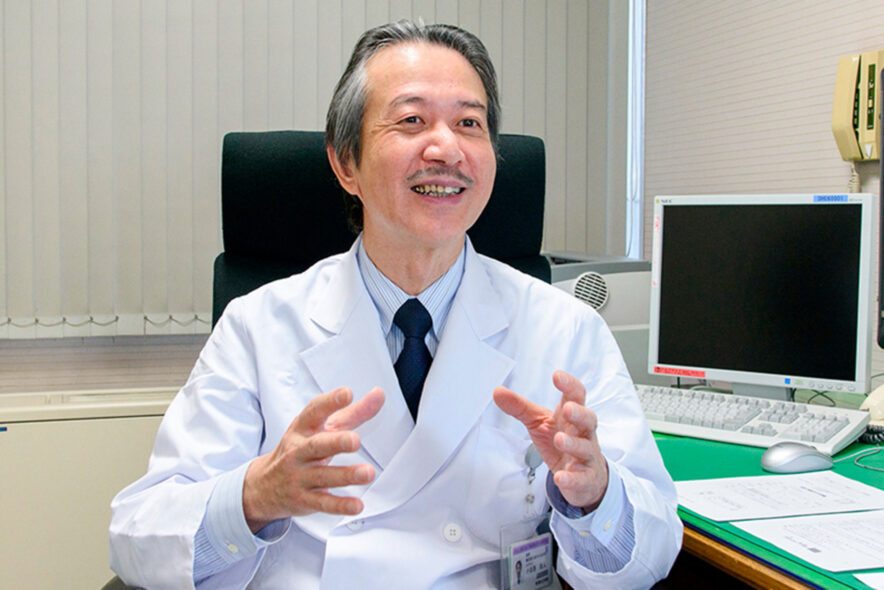
At its heart is,"microRNA"This is an extremely small RNA molecule.
microRNAs are important regulatory factors that regulate gene function within cells, and in recent years, research into their association with diabetes, obesity, arteriosclerosis, neurodegenerative diseases, and even aging has been progressing worldwide.
In particular, microRNA research in the field of diabetes has progressed rapidly since the late 2010s.
In Europe and America,"Treatment to lower blood sugar levels"from,"Therapy that controls cellular information"The concept is beginning to change dramatically.
Another type of microscopic capsule derived from cells, called "exosomes," has been attracting attention in recent years.
Exosomes contain various information, such as microRNAs and proteins, and may function as "messengers" that transmit information between cells.
In other words, diabetes is not simply an abnormality in blood sugar levels,
- Intercellular communication
- chronic inflammation
- Mitochondrial function
- Immune regulation
- Aging signals
These are all intricately intertwined,“Abnormalities in the whole-body information network”It is beginning to be re-evaluated in this way.
On the other hand, this field is still a very new area of medicine.
When performing regenerative medicine or cell-derived therapy in Japan,"Act on Ensuring the Safety of Regenerative Medicine, etc."A strict management system based on this will be necessary.
In particular, for treatments involving advanced cell processing and high-risk areas,"Type 1 Regenerative Medicine Provision Plan"Safety reviews and cell management systems that comply with these standards are considered important.
In other words, this field is not simply "advanced medicine,"
- Scientific evidence
- quality control
- Cell processing technology
- Safety evaluation
- system design
It is an extremely sophisticated field of medicine that encompasses all of these aspects.
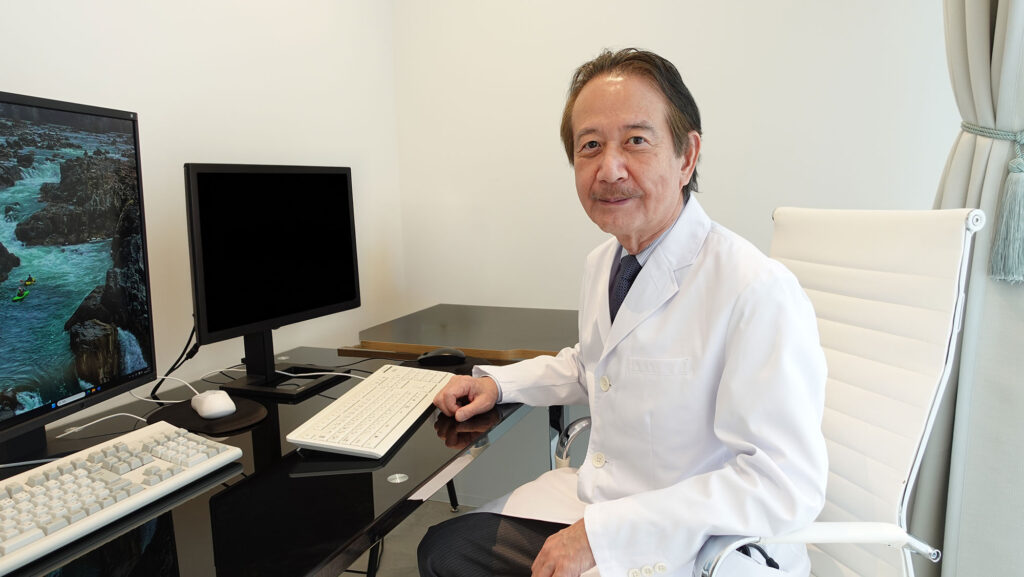
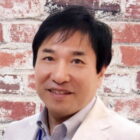
And the person who has been leading this research to understand diabetes at the cellular level for many years is Dr. Masato Odawara.
Dr. Odawara said,A leading expert in Japan in the fields of diabetes, metabolism, and endocrinology.It is known as [this].
In 1989, he published research findings on insulin receptor gene abnormalities in the journal Science.
This was an extremely advanced study for its time."Analyzing diabetes at the genetic level"This was one of the studies that paved the way for the current trend.
After that,
- Insulin resistance
- Mitochondrial gene abnormalities
- diabetic arteriosclerosis
- metabolic disorder
- Endocrine control
He has continued his research in a wide range of fields, and has supported diabetes care in Japan for many years.
And what Dr. Odawara is currently focusing on is,"Metabolic regulation by microRNA"This is a new field.
Masato Odawara Profile
His specialty is the clinical aspects of atherosclerotic complications (diabetology, endocrinology and metabolism, atherosclerosis, molecular biology). His main research themes include genetic predisposition to diabetes and its complications, risk factors for diabetic macrovascular complications, and the molecular mechanisms of insulin resistance. In 1989, he published a study on insulin receptor gene abnormalities in Science. He continues to work on elucidating genes involved in the etiology of diabetes and the development of diabetic complications, including mitochondrial gene abnormalities. He was formerly the chief professor of the Department of Diabetes, Metabolism, Endocrinology, Rheumatology and Collagen Disease at Tokyo Medical University, and is currently a visiting professor at the same university.
[Specialties] Diabetes, arteriosclerosis, metabolic disorders (hyperlipidemia, hyperuricemia)
[Supervising physicians, specialists, etc.]
Certified Instructor and Specialist in Diabetes by the Japan Diabetes Society
Certified Endocrinologist and Metabolist by the Japan Endocrine Society
[Affiliated academic societies]
Japanese Society of Internal Medicine (Councilor, Certified Physician, Instructor)
Japan Diabetes Society (Councilor, certified physician, instructor)
Japan Endocrine Society (Representative)
Japan Diabetes Complications Society (Councilor)
Japanese Society of Geriatric Diseases (Councilor)
Japanese Society of Clinical Molecular Medicine (Councilor)
Japanese Society for Clinical Nutrition (Councilor)
Japanese Society for Clinical Nutrition
[Career History]
Graduated from the University of Tokyo, Doctor of Medicine. Former Professor and Chairman of the Department of Diabetes, Metabolism, Endocrinology, Rheumatology, and Collagen Diseases at Tokyo Medical University. Former Vice Director of Tokyo Medical University Hospital. Former Head of the Department of Endocrinology and Metabolism at Toranomon Hospital. Former Clinical Lecturer at Oxford Medical School.

- Diabetes cannot be explained solely by the statement "Diabetes = lifestyle-related disease."
- microRNA may be the "command center of the cell."
- Simply "lowering blood sugar" has its limitations.
- microRNAs may offer a glimpse into the root causes of diabetes.
- Exosomes become "carriers"
- Diabetes treatment may be shifting towards "predictive medicine."
- This will also lead to "anti-aging medicine."
- "Future medicine" has already begun.
Diabetes cannot be explained solely by the statement "Diabetes = lifestyle-related disease."
— First, what are your thoughts on the current state of diabetes care?
Professor Odawara:
Of course, diabetes is a disease that is largely influenced by lifestyle factors such as diet and exercise. However, in actual clinical practice, there are many cases that cannot be explained by these factors alone.
Even with similar lifestyles, some people develop diabetes while others do not.
Some people develop severe diabetes even though they are thin.
Conversely, some obese individuals do not develop the disease.
In other words, it's not just about "what you ate," but how your cells react that's important.
Recently, the concept of "cellular conditions that make one prone to developing diabetes" has begun to be emphasized.
This is a very significant change.
In the past,"High blood sugar levels = diabetes"That was my understanding.
However, currently, the background to this is
- chronic inflammation
- cellular aging
- Mitochondrial dysfunction
- Information transmission abnormality
It has become clear that these factors are deeply involved.

microRNA may be the "command center of the cell."
— Is microRNA at the center of it all?
Professor Odawara:
Yes, microRNAs are very interesting.
Simply put,“The command center within the cell”It may have a role like that.
The human body contains tens of thousands of different genes.
However, not all of them are always working.
It only turns on when needed.
It turns off when not needed.
The person making that adjustment isOne role of microRNAIt is believed that...
For example, in diabetes,
- Genes that exacerbate inflammation
- Genes that worsen insulin resistance
- Genes that promote fat accumulation
In some cases, these may be abnormally activated.
microRNAs may be regulating this entire gene network.
That's why researchers all over the world are paying attention to it now.
Simply "lowering blood sugar" has its limitations.
— What are the current limitations of diabetes treatment?
Professor Odawara:
Current medications are extremely effective.
In fact, it has helped many patients.
However, the real danger of diabetes is,"Blood sugar level"That's not all.
What's scary is,
- Vascular disorders
- arteriosclerosis
- Neurological disorders
- Kidney damage
- cognitive decline
- Accelerated aging of the entire body
That's it.
In other words, diabetes is also a "systemic chronic inflammatory disease."
Therefore, simply lowering blood sugar levels won't completely stop the problem.
For example, in diabetic patients"Inflammatory signals"In some cases, this condition persists for a long period of time.
This chronic inflammation
- Damage to blood vessels
- Damages nerves
- Damaging mitochondria
And ultimately, it accelerates the aging process itself.
Recently,"Diabetes is a type of accelerated aging disease."An increasing number of researchers are thinking this way.
microRNAs may offer a glimpse into the root causes of diabetes.
— Is it possible that microRNAs could potentially change that fundamental part of the organism?
Professor Odawara:
I believe there is great potential there.
Traditional medicine, in a sense, was a form of healthcare that controlled the "outcome."
My blood sugar levels are high.
Therefore, we'll lower it.
Of course, that's important.
However, microRNA research is much further upstream in the research field.
"Why does that inflammation occur?"
"Why did the cells lose their normal response?"
There is a possibility of intervening in the information control process itself.
This is very large.
If in the future,
- Inflammation control
- Insulin sensitivity
- Mitochondrial function
- cellular aging
If we can normalize these at the microRNA level,This could change the very concept of diabetes treatment.
Exosomes become "carriers"
— Exosome research is also important, isn't it?
Professor Odawara:
It is very important.
There are aspects of microRNA that make it difficult to ensure stable function within the body.
That's where exosomes come into play.
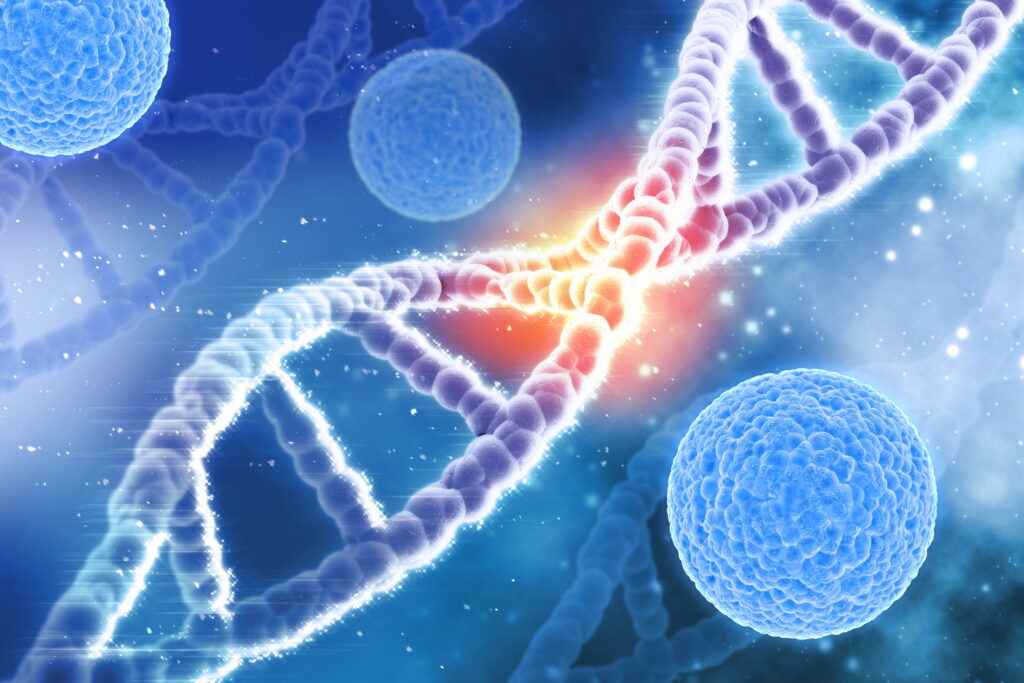
Exosomes are tiny information capsules released by cells.
It carries microRNA within it.
In other words, they are "information couriers."
This is very interesting.
For example, in the future,
"Exosomes containing microRNA that suppress inflammation"
Research that approaches metabolic disorders in this way may also advance.
This is a completely different approach from conventional medicines.
This is a form of healthcare that delivers "cellular information" rather than drugs.
Diabetes treatment may be shifting towards "predictive medicine."
— Will it be possible to diagnose the disease before it manifests in the future?
Professor Odawara:
That's quite possible.
Even now at the research level,
- microRNA patterns associated with diabetes
- microRNAs that indicate the risk of arteriosclerosis
- microRNAs that suggest aging progression
These and other issues have been reported.
In other words, in the future,
"Your blood sugar levels are still normal, but if things continue like this, it will be dangerous."
You might be able to find that stage.
This is extremely important for medicine.
Up until now,
To get sick
↓
Abnormal test results
↓
Start of treatment
That's it.
However, the future is
Detecting abnormalities in cellular information
↓
Intervention before illness occurs
There is a possibility that things will move in that direction.
This is "predictive medicine."
This will also lead to "anti-aging medicine."
— Will diabetes research also be related to anti-aging?
Professor Odawara:
They are very closely related.
In diabetic patients,
- vascular aging
- Nerve aging
- chronic inflammation
- Oxidative stress
It is prone to acceleration.
In other words, diabetes can be described as a "disease that accelerates aging."
Conversely, if we can improve the control of cellular information,
- aging rate
- chronic inflammation
- Vascular disorders
This is expected to have an impact on things like that.
Therefore, microRNA research is now not just about diabetes research,
"What is aging?"
This is starting to connect to that theme.
"Future medicine" has already begun.
— Finally, what are your views on the future of healthcare?
Professor Odawara:
I believe that healthcare will shift from "material medicine" to "information-based medicine" in the future.
Up until now,
- blood sugar levels
- blood pressure
- cholesterol
I was looking at these kinds of "numbers."
However, from now on,
"How do cells exchange information?"
We may be entering an era where we will see this firsthand.
The human body is not merely a substance.
It is a system controlled by information.
microRNA research is getting closer to understanding its true nature.
I see a very bright future there.




Comment