
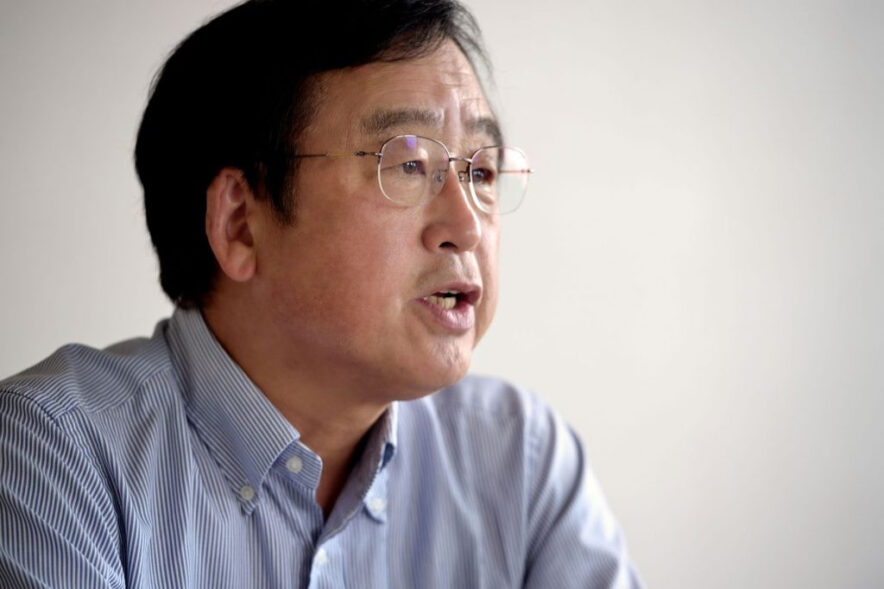
"The human body is not an 'object'."
"Essentially, it's 'information'."
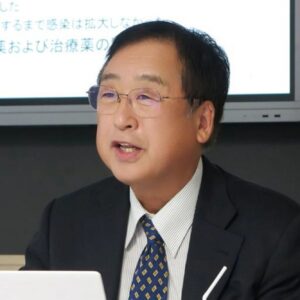
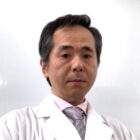
These words were spoken quietly by Professor Yasufumi Murakami, Professor Emeritus of Tokyo University of Science.
He is a researcher who has been at the forefront of molecular biology, genetic engineering, and RNA research for many years, and is known as one of the leading figures in RNA research in Japan.
Currently, he also works as an advisor to the 5Star Medical Club Cell Processing Center, continuing to explore the possibilities of "future medicine" through research on microRNA and exosomes.
However, what Professor Murakami is talking about is not just about cutting-edge medical treatment.
This leads to the fundamental question that humanity has been grappling with for centuries: "What is life?"
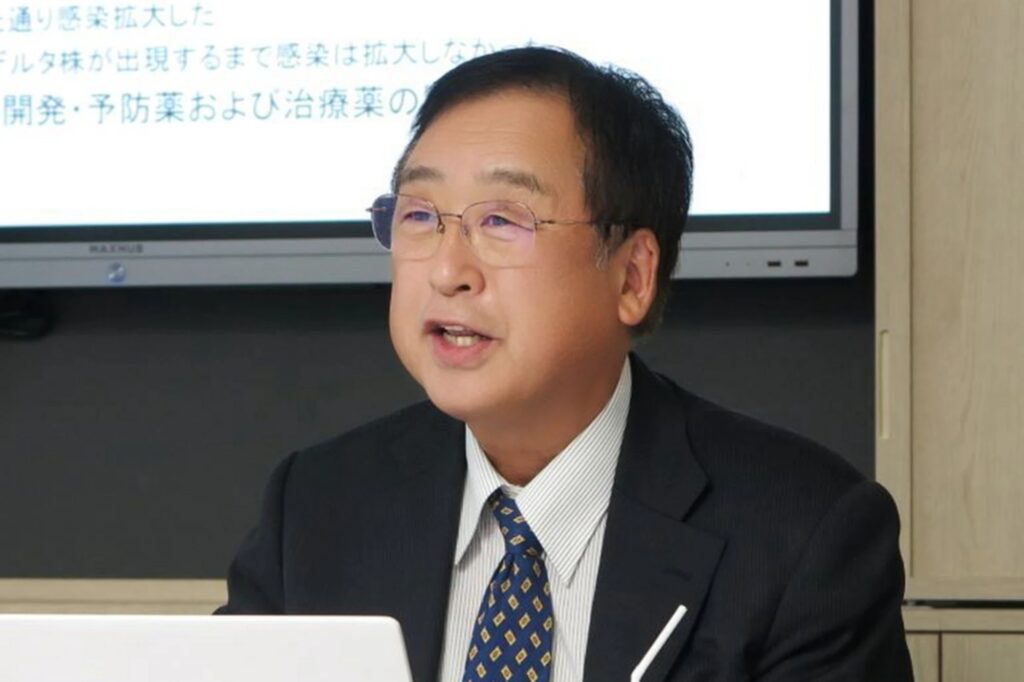
Yasufumi Murakami Profile
Specializing in drug discovery science, molecular biology, and immunology, he has led research spanning from basic research to clinical applications for many years. After working at Albert Einstein College of Medicine, Memorial Sloan Kettering Cancer Center in the United States, and RIKEN, he became a professor in the Department of Biotechnology, Faculty of Engineering, Tokyo University of Science in 1999.
Starting with oncology virus research at Memorial Sloan Kettering Cancer Research Center, the company has consistently promoted the discovery of therapeutic target molecules, the development of antibody production technologies, and the research and development of antibody drugs. It boasts world-class achievements in the fields of diagnostic and therapeutic antibodies, including approximately 700 types of antibodies for research reagents.
[Specialization Areas] Regenerative medicine, drug discovery science, molecular biology, immunology
[Career History]
Graduated from the Faculty of Pharmaceutical Sciences, University of Tokyo, and completed the doctoral program at the Graduate School of Pharmaceutical Sciences, University of Tokyo (Doctor of Pharmaceutical Sciences).
- “It could not be explained by the "blueprint of life" alone.
- The early days of RNA research
- "Life is driven by information."
- Cells are "communicating"
- Aging is a "disruption of the information network."
- Healthcare is entering an era of "prediction."
- Not "rejuvenation," but "optimization."“
- Research that re-examines the question, "What is life?"
“It could not be explained by the "blueprint of life" alone.
When Professor Murakami began his career as a researcher, the prevailing view in the world of life sciences was that "DNA is what determines everything about life."
By analyzing genes, the mysteries of life can be solved.
This was an era when the Human Genome Project was progressing globally, and deciphering the "blueprint of life" had become the greatest theme in science.
However, Professor Murakami had felt something was off from an early stage.
"DNA alone couldn't explain the phenomenon of life."
The human body has approximately 37 trillion cells.
Moreover, brain cells, cardiomyocytes, liver cells, skin cells—
They all have the same DNA, yet they perform completely different functions.
"Why are they so different even though they're using the same blueprints?"
I figured there must be a "control system" there."
That's where "RNA" came into focus.
The early days of RNA research
The terms "mRNA" and "microRNA" are now widely known.
However, when Professor Murakami began his RNA research, it was still an extremely specialized field that only a few researchers were paying attention to.
"At the time, RNA was only thought of as a 'relay' for creating proteins from DNA."
However, as research progressed, it began to become clear that RNA has a "regulatory function" that goes beyond simply acting as a signaling medium.
What was particularly shocking was the discovery of microRNA.
microRNAs are extremely small RNA molecules consisting of only about 20 base pairs.
It doesn't produce protein.
However, it had the function of controlling the ON/OFF state of genes and changing the state of the cell itself.
"In other words, if DNA is the blueprint, then microRNA is the entity that determines how to use that blueprint."
This discovery fundamentally changed the way we think about life sciences.
"Life is driven by information."
Professor Murakami says that his research on microRNA has changed his perspective on life itself.
"Life is not matter."
Cells, genes, and proteins are all important, of course.
However, the essence lies in "how information is flowing."
"Humans live as 'information systems'."
That is Professor Murakami's consistent view.
For example, even with the same cells,
- youthful, functional cells
- Inflammatory cells
- Cells that become cancerous
- Cells that have lost their ability to repair themselves
So, the "state of information they possess" is different.
In other words, illness is likely not simply physical destruction, but rather an "information anomaly."
Cells are "communicating"
What further accelerated that idea was,"Exosome Research"That was the case.
Exosomes are tiny, capsule-shaped substances secreted by cells.
Previously, it was considered merely "waste material" from cells.
However, it is now known that these microRNAs contain important information such as microRNAs and proteins.
"Cells communicate using exosomes."
One cell releases microRNA, which another cell receives and uses that information to change its function.
In other words, the human body functions as a vast "information network."
"Life phenomena cannot be explained by 'individual cells' alone."
Intercellular communication is the essence of it."
Exosome research is currently progressing rapidly worldwide, and is expected to have applications in many fields, including regenerative medicine, neurological diseases, cancer research, and aging research.
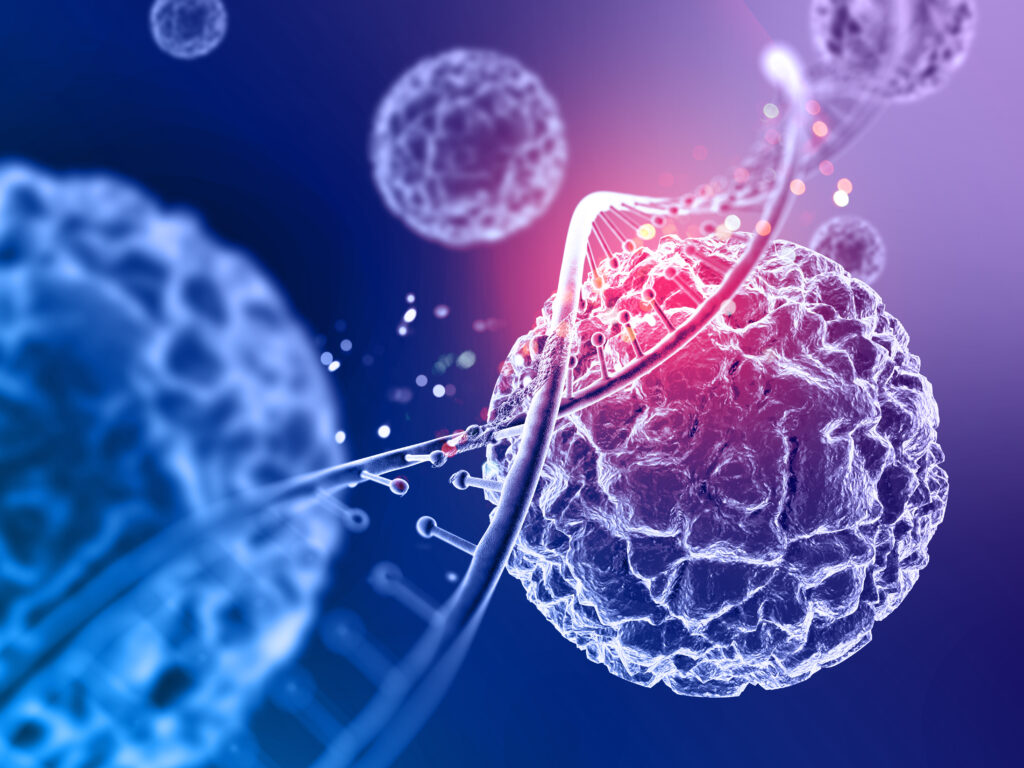
Aging is a "disruption of the information network."
Professor Murakami also views the phenomenon of "aging" from an informational perspective.
"Aging is not simply the passage of time."
Some people remain youthful even as they age, while others experience a rapid decline in function.
The difference lies in the "information state" of the cells.
The coordination between cells is disrupted,
Chronic inflammation occurs,
The ability to repair itself decreases.
The number of abnormal signals is increasing.
Professor Murakami believes that this is close to the essence of aging.
"In other words, aging is the deterioration of the information network."
That's why microRNA analysis is so important.
This is because analyzing microRNAs from blood, saliva, and other sources may allow us to detect changes occurring inside the body "before symptoms appear."
Currently,
- Cancer risk analysis
- Neurodegenerative diseases
- chronic inflammation
- diabetes
- immune disorder
Related research is also progressing on these topics.
"Future medicine will move in the direction of 'controlling illness before it occurs,' rather than 'curing disease.'"
Healthcare is entering an era of "prediction."
According to Professor Murakami, the key word for the future of medicine is "prediction."
Current medical practice is primarily focused on "post-symptomatic care."
We perform tests, administer medication, and treat the condition only after an abnormality occurs.
However, advances in microRNA analysis may make it possible to detect early signs of disease.
"Humans don't get sick suddenly."
There's always been some kind of information change happening before that."
In other words,
- Signals indicating a shift toward cancer
- Signs of neurodegeneration
- accelerated aging
- Immunity imbalance
These kinds of things can potentially manifest as "information fluctuations."
"Therefore, future medicine will be about 'prediction' rather than 'diagnosis'."
This is not merely an advancement in medical technology.
“It has the potential to change the very concept of illness.
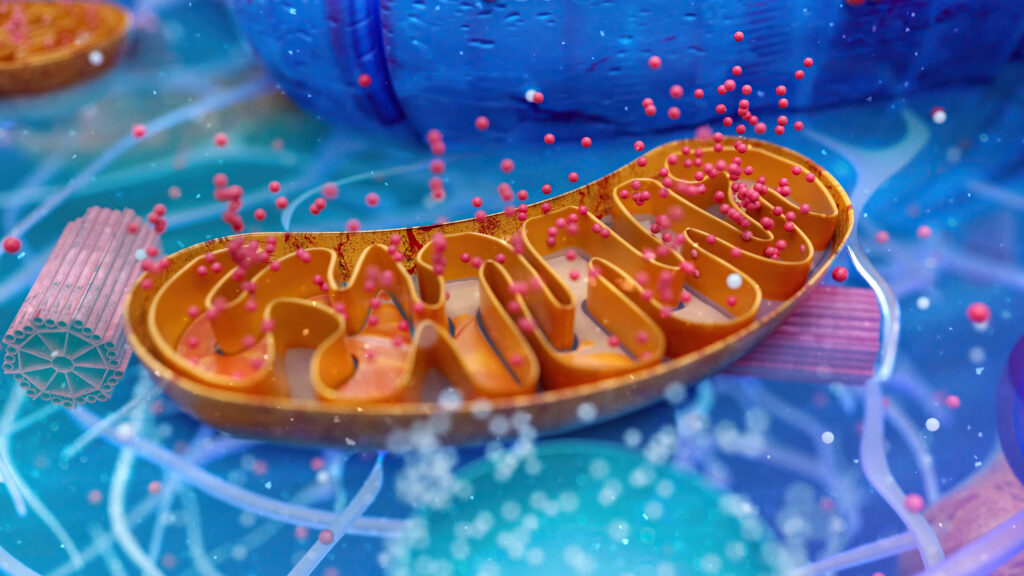
Not "rejuvenation," but "optimization."“
On the other hand, Professor Murakami is cautious about excessive anti-aging claims.
"This isn't about immortality or anything like that."
The important thing is the idea of "optimizing life functions."
Improve intercellular communication,
Suppress inflammation,
Reduce abnormal information,
Maintain the body's natural repair capabilities.
This, they say, leads to "healthy longevity" in the truest sense of the word.
"Life is always in a state of motion."
It's not fixed.
That's why "how to control it" becomes so important.
"The future of medicine will be less about 'what to administer' and more about 'how to organize information.'"
Research that re-examines the question, "What is life?"
At the end of the interview, Professor Murakami said:
"Ultimately, life is an 'information phenomenon'."
cell.
DNA.
RNA.
Exosomes.
They are not just parts.
By exchanging information with each other and constantly changing, we make the phenomenon of "living" possible.
microRNA research is not just cutting-edge medicine.
It is also a study that re-examines the question of "what is life?"
And now, that research goes beyond "medicine to cure diseases,"
How do we grow old?
How should one live?
To what extent can humans truly understand life?
We are beginning to move towards that very future of humanity itself.




Comment