
- What are stem cells?
- Anti-aging care with cytokines from stem cell culture medium
- What is a stem cell culture specialist, who is attracting attention?
- The reason I wanted to become a cell culture technician
- The difficulty of culturing stem cells and the dedication of a professional
- About cosmetics containing stem cell culture supernatant
- The future potential of stem cell culture supernatant
What are stem cells?
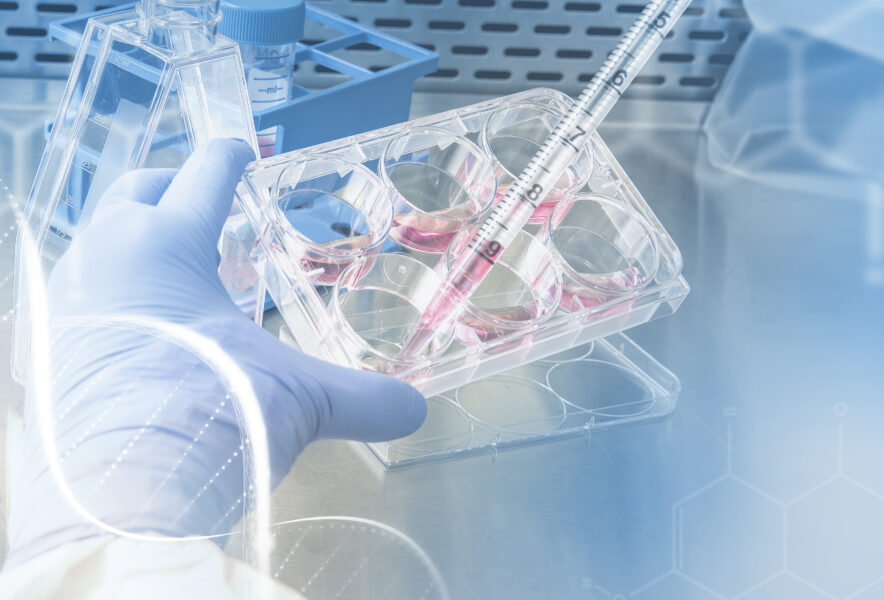
Within our bodies, we have cells that have the ability to regenerate and replenish lost cells in order to maintain tissues such as skin and blood, where each cell has a short lifespan and is constantly being replaced. These cells with such abilities are called stem cells. To be called a stem cell, two abilities are essential: one is the ability to create various cells that make up our body, such as skin cells, red blood cells, and platelets (differentiation ability), and the other is the ability to divide into cells with exactly the same abilities as itself (self-renewal ability).
Stem cells can be broadly divided into two types. One type is stem cells that continuously create replacements for lost cells in specific tissues or organs, such as skin or blood. This type of stem cell is called tissue stem cell. Tissue stem cells do not become just anything; they have a specific role. For example, hematopoietic stem cells that produce blood only produce blood cells, and neural stem cells that produce the nervous system only produce nerve cells. The other type is pluripotent stem cells, such as ES cells (embryonic stem cells), which can create any type of cell in our body.
In other words, pluripotent stem cells can also create various tissue stem cells found in our bodies. iPS cells (induced pluripotent stem cells) are pluripotent stem cells artificially created from ordinary cells. By utilizing the properties of these stem cells, research is progressing on new treatments such as regenerative medicine, which uses the cells themselves as medicine to heal injuries and diseases, and on studying the mechanisms of diseases by reproducing the state of cells inside the body outside the body.
Anti-aging care with cytokines from stem cell culture medium
Stem cells produce proteins that promote cell proliferation and differentiation in response to the environment. These proteins are called cytokines. Cytokines act as signaling molecules between cells and play a crucial role in restoring the function of damaged tissues and cells in the body. They communicate with each other, and cells that receive cytokines begin to function. Aging occurs when the body's tissues and cells are damaged by various causes, and as this damage accumulates, the body is unable to fully recover. Regenerating damaged body tissues and cells and restoring lost functions is a very effective form of anti-aging care. It is expected that cytokines will awaken dormant cells, thereby exhibiting a powerful anti-aging effect.
What is a stem cell culture specialist, who is attracting attention?
Stem cell culture is a technology that is attracting great attention in various fields, including drug development and regenerative medicine. This field holds immense potential, and the need for cell culture technology is widespread, leading to increased attention on cell culture specialists. Cell culture specialists are experts in culturing stem cells for use in various experiments and treatments in the medical and research fields. Stem cells have high cell differentiation potential and can differentiate into various types of cells, making them highly promising in regenerative medicine and treatment development. Therefore, the technology of culturing stem cells is one of the most important technologies in the fields of medicine and life sciences.
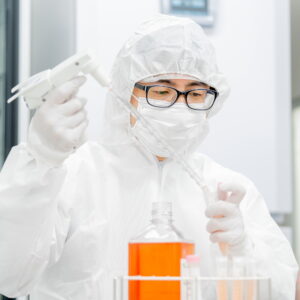
Specifically, stem cell culture specialists perform a series of tasks necessary for stem cell culture, including preparing culture media, optimizing culture conditions, regulating cell differentiation and proliferation, inspecting and analyzing cells, and managing cultured cells. Furthermore, because stem cells have properties different from ordinary cells, knowledge and skills are also required to address the technical difficulties of cell culture, such as removing abnormal cells that occur during culture and preventing infections.
Stem cell culture specialists are required to possess a high level of expertise and skills in stem cell culture techniques. Therefore, individuals who have studied stem cell handling techniques and fundamental cell culture knowledge at universities or vocational schools, and have gained practical experience in research laboratories, pharmaceutical companies, hospitals, etc., are the ones who work as stem cell culture specialists.
Let's hear from Hitoshi Yamaguchi, chief embryologist at BioStyle Clinic, about these highly-regarded embryologists.
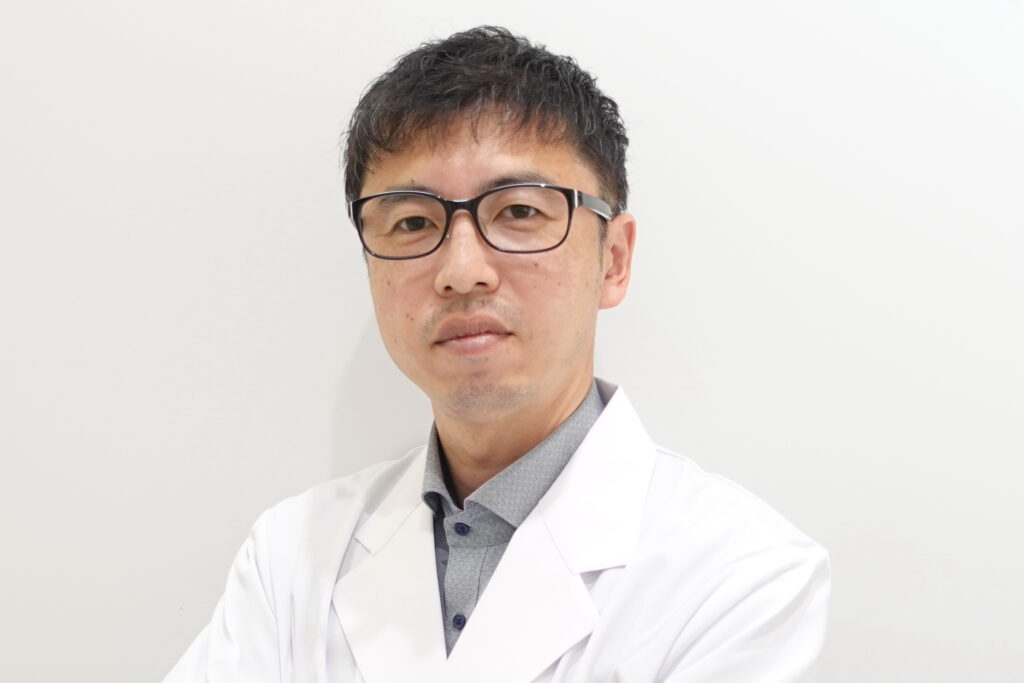
BioStyle Clinic, Chief Embryologist
Yoshichika Yamaguchi
Education: Graduated from the Department of Biotechnology, Faculty of Engineering, Kansai University (Cell Function Engineering Laboratory)
Hometown: Ibaraki City, Osaka Prefecture
Career: After working at Kishimoto Institute of Medical Science, Tokiwa Hospital (Immunology Department, Cellular Culture Room), and Nippon Culture Research Institute, he currently serves concurrently as the head of culture technology at SCCL Lab and chief culture engineer at BIOSTYLE CLINIC.
Hobbies: Pets (all kinds of animals and plants), motorcycles (10-year break)
The reason I wanted to become a cell culture technician
Why did you choose to become a cell culture technician?
From a young age, I loved living things and wanted to study biotechnology related to them, so I majored in biotechnology at university and researched plant cells to develop a method for culturing adzuki beans. After graduation, I joined a major medical company and worked in clinical testing, but when I saw an opening for a cell culture technician at the hospital where I later changed jobs, I decided to pursue a career as a cell culture technician, which I had been interested in for a long time. At that hospital, we mainly cultured autoactivated lymphocytes and autologous fibroblasts, but because we lacked specialized equipment, we had to conduct research by trial and error from tissue sample collection to culture, which was very difficult. Later, I received an offer from another research institute to try making stem cell culture supernatant, and I used the cell culture know-how I had cultivated at the hospital to experiment with stem cell culture, refine my skills, and conduct research for various treatments. I have been working as a cell culture technician for about 13 years. In this industry, treatments using culture supernatants derived from fat or dental pulp stem cells are mainstream, but currently I am researching new stem cell culture supernatants that can achieve higher performance by utilizing cells from umbilical cord blood, amniotic membrane, placenta, and bone marrow.
The difficulty of culturing stem cells and the dedication of a professional
It is said that culturing stem cells is extremely difficult, but what kind of difficulties does it present?
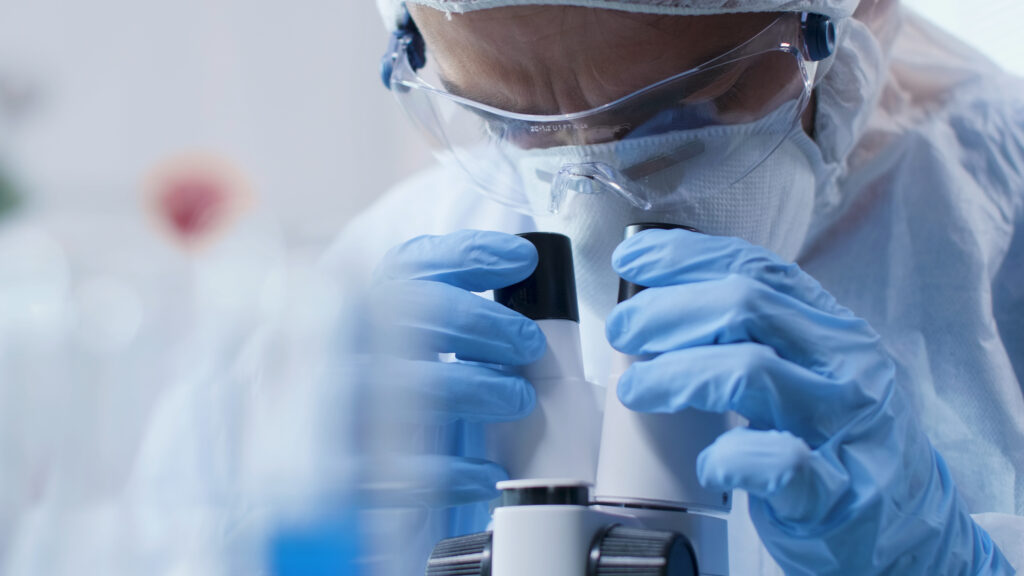
The greatest challenge in culturing stem cells is balancing cell proliferation and differentiation. While we generally follow a time schedule for culturing, cells are never in the same state, so things rarely proceed as planned. For example, the state of cells is completely different in the morning and evening. Therefore, we constantly observe the cell shape through a microscope and fine-tune the amount and timing of adding culture medium. If proliferation is too rapid, the cells will stop growing and begin to deteriorate due to a lack of nutrients and growth space in the culture medium. Conversely, if proliferation is too slow, the number of cells will not increase sufficiently, and we will not be able to obtain enough supernatant. Furthermore, when culturing stem cells, it is not enough to simply possess the knowledge and skills necessary for cell culture; we believe it is necessary to constantly pay attention to new research and technological trends and continuously learn the latest information and methods.
Please also tell us about your professional standards and commitment.
The cells we handle are ultimately used by end-users in medical settings, so extremely high quality is required. Therefore, we must culture them under a strict quality control system and provide supernatant that ensures safety and efficacy. It is also important to accurately understand the state of the cells during culture and provide the optimal environment. To this end, we must thoroughly manage the amount and duration of protective agents used for cell freezing and thawing, conduct regular cell inspections and cell activity measurements, and manage culture media and equipment to provide supernatant of consistent quality. Furthermore, we believe it is important to treat the cells carefully while they are alive. By carefully culturing them by hand, constantly checking the state and growth of the cells, and providing optimal conditions tailored to each individual cell, we believe we can create high-quality supernatant.
What are your thoughts on the increasingly popular three-dimensional cell culture technology?
While cell culture is generally carried out in two dimensions using flasks and other containers, three-dimensional culture is a technique that has recently attracted attention in the field of stem cell research. Three-dimensional culture offers numerous advantages, but its greatest benefit is that cells can grow in a natural form. In three-dimensional culture, unlike conventional two-dimensional culture, cells grow by assembling into spherical clumps or sheets. By growing cells in three-dimensional space, it is possible to mimic an environment closer to that of actual tissue. Stem cells cultured in such an environment are more likely to yield more accurate experimental results, and their function and behavior can be analyzed more precisely. Furthermore, three-dimensional culture takes into account the complex interactions between cells and their surroundings, including intercellular interactions, cell-substrate interactions, oxygen supply, metabolite efflux, and the processes of cell growth and differentiation. For this reason, three-dimensional culture forms the basis of tissue engineering approaches for regulating stem cell differentiation.
However, three-dimensional culture also has several disadvantages. The biggest disadvantage is the difficulty in precisely positioning cells in three-dimensional space. In addition, cell clusters form in three-dimensional culture, resulting in uneven diffusion of nutrients and oxygen between the surface and the inside of the cluster. This can cause excessive stress on the cells, potentially leading to cell death or abnormal growth. Therefore, it requires highly advanced skills from the culture technician to appropriately adjust various conditions such as cell type, culture medium, and support material.
What is the most rewarding moment for you as a cell culture technician?
The most rewarding moments for me are when I'm working on new research that could potentially lead to treatments using stem cells. Stem cells have the ability to self-replicate and differentiate, and are expected to play a significant role in various fields such as regenerative medicine and drug discovery. I find it incredibly rewarding when I realize that our research has the potential to contribute to society in the future. Also, handling stem cells requires meticulous care and careful experimentation. Therefore, I feel a sense of accomplishment knowing that I can conduct safe research by taking the utmost care in my experiments. The most rewarding moment, however, is when I hear from end-users that they have been cured after using the stem cell culture solution produced from the cells I have cultured. Experiences like these are a great source of motivation for me in my work.
About cosmetics containing stem cell culture supernatant
What are your thoughts on cosmetics containing stem cell culture supernatant, which have been attracting attention in recent years?
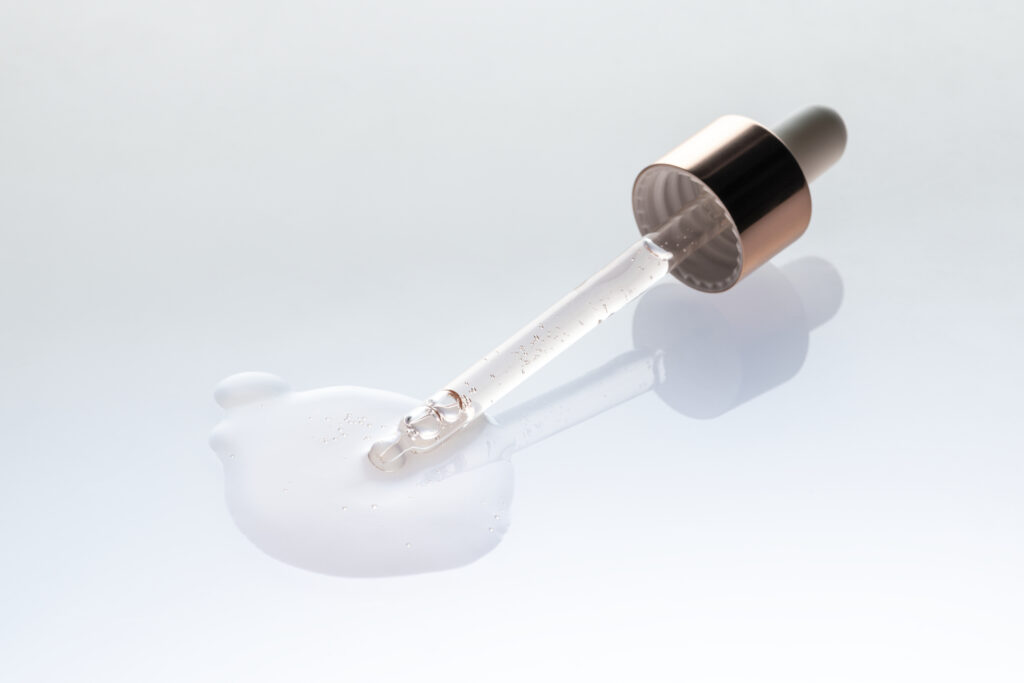
In the field of cosmetics, stem cell culture supernatant is attracting the most attention. This liquid contains cell growth factors, cytokines, enzymes, proteins, and micronutrients, and is believed to be effective for beautiful skin and anti-aging. For this reason, many cosmetics containing stem cell culture supernatant are being developed by various manufacturers. There are many types of cosmetics that contain stem cell culture supernatant, such as lotions, serums, creams, packs, and masks. These products address a variety of skin concerns, and are said to be particularly effective for improving skin elasticity, firmness, and transparency.
However, most cosmetics currently on the market that contain stem cell culture supernatant do not clearly state the concentration or type of stem cell culture supernatant, and are likely to be stored in poor conditions. Therefore, I am honestly skeptical about their effectiveness. For this reason, I believe it is important to select cosmetics that incorporate technologies to avoid direct sunlight and high temperature and humidity, which are the natural enemies of stem cell culture supernatant.
It is expected that cosmetic manufacturers will continue to develop cosmetics containing stem cell culture supernatant. However, it is important to always be mindful of the need to provide consumers with accurate information, as well as the need for usage methods and storage methods tailored to individual skin types.
Please tell me about the precautions to take when storing stem cell culture supernatant.
Stem cell culture supernatant is stored in two forms: liquid and freeze-dried. Each form requires different handling, so appropriate storage is necessary depending on its state.
Liquids require refrigeration. They have a short shelf life and are susceptible to temperature changes, vibrations, light, and water, so handle them gently when moving them. Cosmetics containing stem cell culture supernatant are generally liquids, so their quality can change depending on storage conditions. Therefore, it is important to purchase from a reliable retailer, store them in a place away from direct sunlight and high temperatures and humidity, and use them up as soon as possible after opening.
Freeze-dried foods have stable proteins, allowing them to be stored at room temperature. Because they contain no preservatives or stabilizers, they should be dissolved in water just before use. However, even freeze-dried foods can deteriorate depending on the storage environment, so maintaining appropriate temperature and humidity is crucial. Freeze-dried foods play an important role in research and product development due to their long-term storage potential.
The future potential of stem cell culture supernatant
What are your thoughts on the future potential of stem cell culture supernatant?
Stem cell culture supernatant is expected to have applications in various medical fields. For example, in the field of cosmetic medicine, cosmetics and medical products containing stem cell culture supernatant are used for skin and hair regeneration, rejuvenation, and wound healing. Research is also progressing on therapies using stem cell culture supernatant, and its application in the field of regenerative medicine is expected.
In what specific medical fields is this expected to be applied?
Stem cell culture supernatant is expected to have applications in a wide range of medical fields. For example, it is expected to be used in regenerative medicine for diseases such as myocardial infarction and stroke. It is also expected to be applied to the treatment of arthritis and liver disease. Furthermore, stem cells are sometimes used in cancer treatment and immunotherapy, and it is expected that stem cell culture supernatant will be utilized in those cases as well.
How are treatments and procedures performed at medical facilities?
There are two methods for administering stem cell culture medium: intravenous injection and subcutaneous injection. I recommend subcutaneous injection. This is because intravenous injection can cause rapid metabolism and fever, making subcutaneous injection more effective. For subcutaneous injection, the medium is dissolved in saline solution, and an appropriate amount, starting from 2-5 cc, is injected. Subcutaneous injection is a method of injecting into the subcutaneous tissue beneath the skin, and compared to intramuscular injection, it is less painful and absorbed more slowly. However, because the preparation remains in place, temporary swelling may occur.
Could you tell me more about its applications in the beauty industry?
Stem cell culture supernatant contains unique components, offering superior cosmetic benefits compared to conventional cosmetics. It promotes skin cell turnover, improving blemishes and wrinkles, and is effective in wound healing. By reducing inflammation and promoting regeneration, it enhances the body's healing abilities, leading to increased attention on cosmetics containing stem cell culture supernatant in recent years. However, developing cosmetics containing stem cell culture supernatant requires advanced technology. The methods for culturing stem cells and producing the culture supernatant are highly complex and require strict quality control. Furthermore, thorough research is needed regarding the effects and side effects of cosmetics containing stem cell culture supernatant on the human body. In short, stem cell culture supernatant is an ingredient with great potential in both the medical and cosmetic fields. However, its development and use require advanced technology and extensive research, and efforts to ensure safety and effectiveness are essential. While attention will continue to be focused on the advancement of stem cell research, ethical considerations and safe and effective use will always be paramount.
Stem cell culture supernatant is an innovative cosmetic ingredient developed through advances in stem cell research, and is expected to attract increasing attention in the future. However, we must not forget the many researchers and engineers behind it. Their daily efforts contribute to our beauty and health.




Comment