
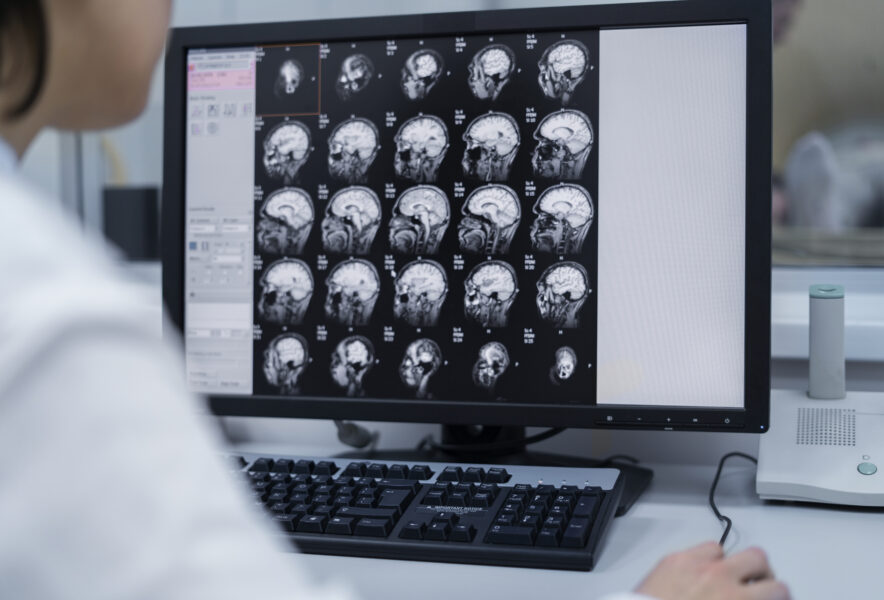
Healthcare is currently undergoing a major shift from an era of "treating illness after it occurs" to an era of preventive medicine, where we "detect early signs and take measures before illness strikes."
Even with cancer, the leading cause of death in Japan, early detection greatly impacts peace of mind. This article provides a clear explanation of "liquid biopsy (microRNA/ctDNA)," which detects minute changes from a single drop of blood, and "DWIBS (Deep Wound and Body Imaging)," an MRI technology that allows for a gentle, whole-body scan.
Let's explore the appeal of this new era of health checks, made possible by combining these two elements.
- 1. Anxiety and burden felt with previous cancer screenings
- 2. "Liquid biopsy" - sensing bodily signals from a single drop of blood.
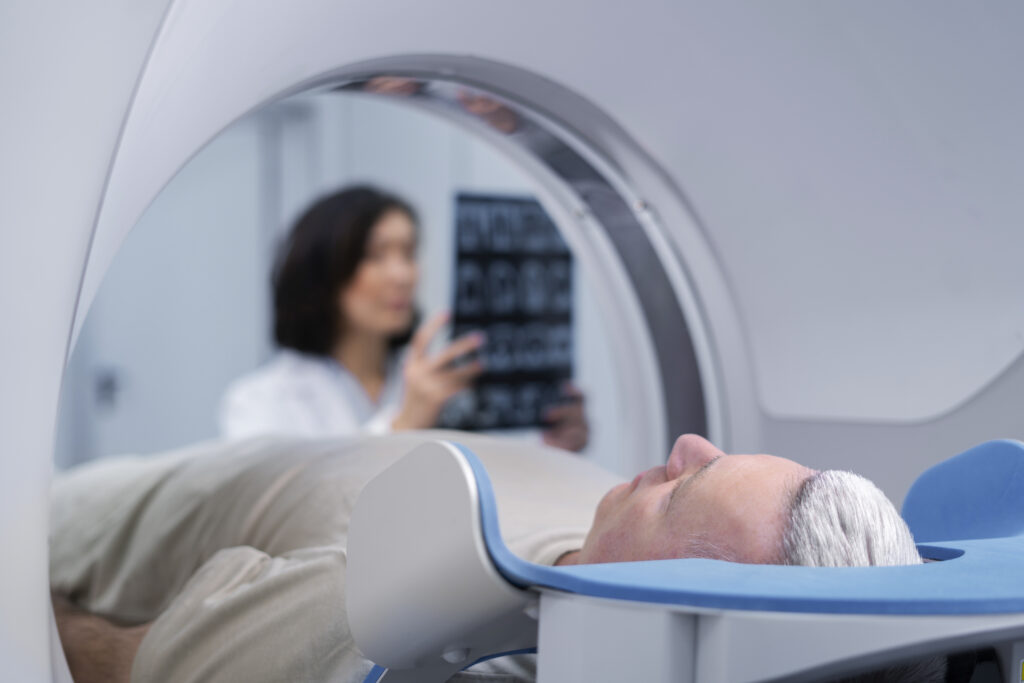
- 3. DWIBS (Deep Wound and Body Imaging System) is a painless imaging test that allows for a full-body check.
- 4. The ideal combination of "blood test (molecular)" and "DWIBS (imaging)"
- 5. We are entering an era where we strategically design our own health.
1. Anxiety and burden felt with previous cancer screenings
Traditional cancer screenings include gastroscopy, colonoscopy, chest CT scans, mammography, and ultrasound (echography). These are highly reliable diagnostic methods and have contributed to the early detection of many cancers.
However, it is also true that there was a considerable psychological and physical burden on those undergoing the examination. In addition to "physical pain and discomfort" such as the difficulty of inserting the camera and the pre-examination procedures, and the feeling of pressure during mammography, there are also concerns about "radiation exposure" from repeated CT scans and other examinations.
Furthermore, for a tumor to be visible as a distinct shape in imaging tests, it needs to grow to a certain size (approximately 5mm to 1cm or larger). Therefore, in current preventive medicine..."No pain and no radiation exposure.",and"Don't overlook small changes before they become visible."A balance between the two is required.
2. "Liquid biopsy" - sensing bodily signals from a single drop of blood.
In response to these challenges, "liquid biopsy" has emerged, which allows for the examination of the body's internal condition simply by collecting blood or urine samples. It is attracting attention as a new approach that can detect cellular changes at a much earlier stage than conventional tumor markers.
The signals that microRNAs tell us about our bodies
MicroRNAs are tiny substances that regulate gene function within cells. Cancer cells are known to encapsulate specific patterns of microRNAs in capsules (exosomes) and release them into the bloodstream for their own growth and for communication with their surroundings.
The types and amounts of microRNA secreted into the bloodstream differ between a healthy state and a state where cancer cells are present. By analyzing this minute balance and using AI to make judgments, it has become possible to detect whether there is a risk of cancer lurking in the body at an early stage, before it becomes a visible tumor.
A single blood test can broadly check for risks.
Furthermore, the technology to examine "cancer-derived DNA (ctDNA)" that leaks into the bloodstream as cells are replaced is constantly evolving. The greatest appeal of liquid biopsy is,"A single blood sample can capture subtle risk signs throughout the body."Its advantages lie in its ease of use and gentleness on the body.
Key points of liquid biopsy (molecular and functional testing)
【merit】 It involves simple tests such as blood tests, with minimal physical pain or burden. It can detect even minute changes before they appear on images.
【assignment】 While it's possible to determine the presence or absence of risk, locating the specific site of the lesion requires coordination with imaging tests.
3. DWIBS (Deep Wound and Body Imaging System) is a painless imaging test that allows for a full-body check.
When "signs of risk" are detected at the molecular level, the next important step is to visually identify "where in the body the changes are actually occurring." PET-CT is a widely known method for whole-body imaging, but the injection of radioactive drugs, radiation exposure, and strict dietary restrictions beforehand have sometimes presented obstacles.
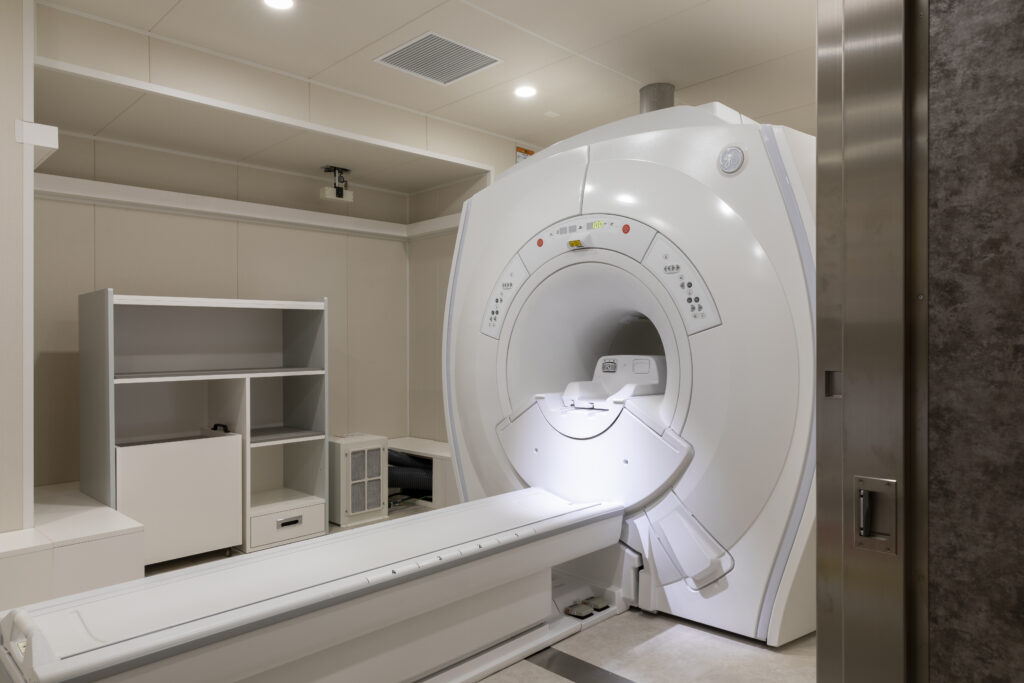
The solution to this challenge is a scanning method called "DWIBS" (Deep Wound Imaging and Braking System), which utilizes whole-body MRI technology.
Key features of DWIBS
DWIBS uses powerful magnetism to image the movement of water molecules in the body. Because cancerous tissue is dense and water molecules do not move easily, this property is utilized to clearly highlight and visualize the lesion.
| Checkpoint | DWIBS (whole body MRI) | PET-CT scan |
|---|---|---|
| Radiation exposure | None (uses magnetism) | Yes (drugs + CT radiation exposure) |
| Injection/Drug Administration | Generally none (contrast-free). | Yes (test drug injected) |
| Dietary restrictions before the examination | None (not affected by blood sugar levels) | Strict diet and carbohydrate restriction are necessary. |
| Specialty body part | The brain, prostate, and kidneys can also be clearly imaged. | I'm good at checking areas where glucose metabolism is active. |
Because DWIBS does not use radiation, there is no need to worry about radiation exposure even with repeated examinations. A major advantage is that you can receive a full-body check in a relaxed state in a short amount of time, without injections or strict dietary restrictions.
4. The ideal combination of "blood test (molecular)" and "DWIBS (imaging)"
What is important in future preventive medicine is not to rely on one or the other,"Smartly combining the strengths of the two tests."is.
Dividing roles eliminates oversights and unnecessary anxieties.
A blood test (liquid biopsy) is, to put it simply,"Fire alarm bell"That's right. It quickly detects whether "something is happening inside the body" at an early stage that is not visible to the naked eye.
On the other hand, imaging tests such as DWIBS are"A light to illuminate the location of the fire"It fulfills the role of scanning the entire area when a bell rings or as part of a regular screening, clearly visualizing "where things are and what condition they are in."
Recommended health check steps
Step 1: Regularly check your risk with a blood test (liquid biopsy)
Regular blood tests allow us to examine microRNAs and other molecules, monitoring molecular-level changes in the body on a daily basis.
Step 2: Confirm the shape of the entire body using DWIBS (imaging examination)
We use DWIBS and other radiation-free imaging techniques to capture images of the entire body and accurately identify any areas of concern.
Step 3: Early intervention as needed
Even if something is found, appropriate care can be provided at a very early stage, minimizing the burden on the patient.
By combining these two approaches, we can achieve highly efficient and reassuring health management that reduces the risk of overlooking diagnoses while minimizing excessive anxiety and unnecessary re-examinations.
5. We are entering an era where we strategically design our own health.
Until now, many people may have had the image that health checkups were "a process to look for diseases." However, for people who are actively engaged in their daily lives, maintaining and improving their health is "an important investment in continuously improving their future performance."
Without experiencing pain or discomfort, and with minimal burden on the body, you can learn about your own data using the latest medical technology. The "blood test x DWIBS" approach will alleviate anxiety about illness and become a powerful ally in designing a richer and more vibrant future.
AGELESS will continue to provide easy-to-understand, up-to-date medical and preventative information so that everyone can choose a wellness lifestyle that suits them.
lastly
The traditional image of "health checkups = painful and burdensome" is beginning to change dramatically with advancements in medical technology. The combination of blood analysis such as microRNA, which we introduced here, and DWIBS, which does not involve radiation exposure, is a symbolic example of "gentle preventive medicine." Instead of "taking action after feeling unwell," why not consider adopting this new healthcare habit of "smartly understanding your own condition on a daily basis" as one of your options?







Comment