
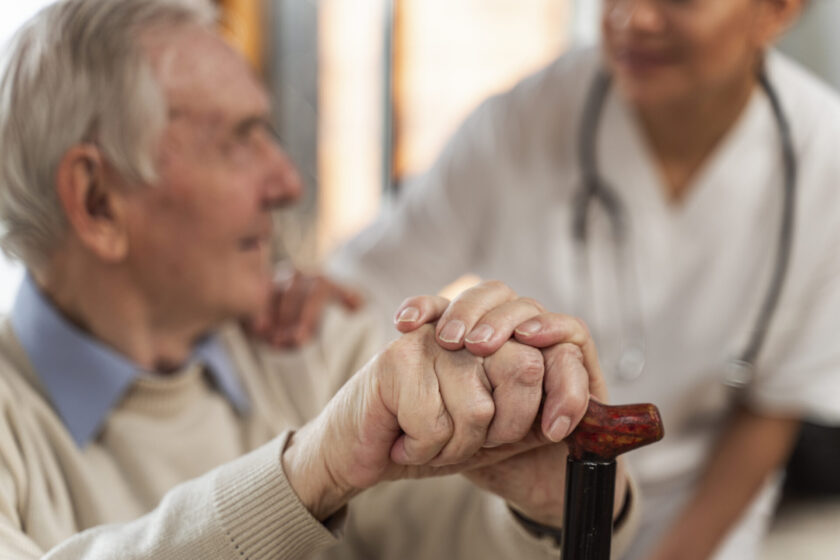
In recent years, Japan, facing a super-aging society, has seen various issues related to elderly care come into focus. While the number of elderly people requiring care is increasing, the burden on caregivers is also becoming more serious. In this context, "caregiving hair removal" is attracting attention. Caregiving hair removal is an initiative that aims to reduce hygiene and the burden on caregivers by undergoing hair removal in advance, considering the possibility of needing care in the future. In particular, there is a growing number of people in their 50s and older who are considering hair removal in preparation for their future care needs. This article will delve deeper into why caregiving hair removal is necessary, its benefits, and the importance of medical hair removal.
Current situation in the nursing care field
Japan is one of the world's leading countries in terms of life expectancy, and with the increase in average life expectancy, the number of elderly people requiring care is also rising. As of 2024, the population aged 65 and over will account for approximately 30% of the total population, and the demand for care facilities is expanding. However, shortages of personnel and the burden on caregivers are major problems in the caregiving field. Caregivers must perform daily care such as toileting and personal hygiene (wiping the body) for many elderly people, and it has been reported that this work is physically demanding. In particular, if the elderly person has a lot of body hair, it becomes difficult to maintain cleanliness, which can further increase the burden on caregivers.
In this context, elderly people themselves have begun to think about "reducing the burden on caregivers as much as possible when receiving care," and "caregiving hair removal" has started to attract attention. In particular, it is believed that removing body hair in advance in preparation for a future when they may become unable to move their bodies on their own will make it easier to maintain cleanliness and reduce the workload of caregivers.
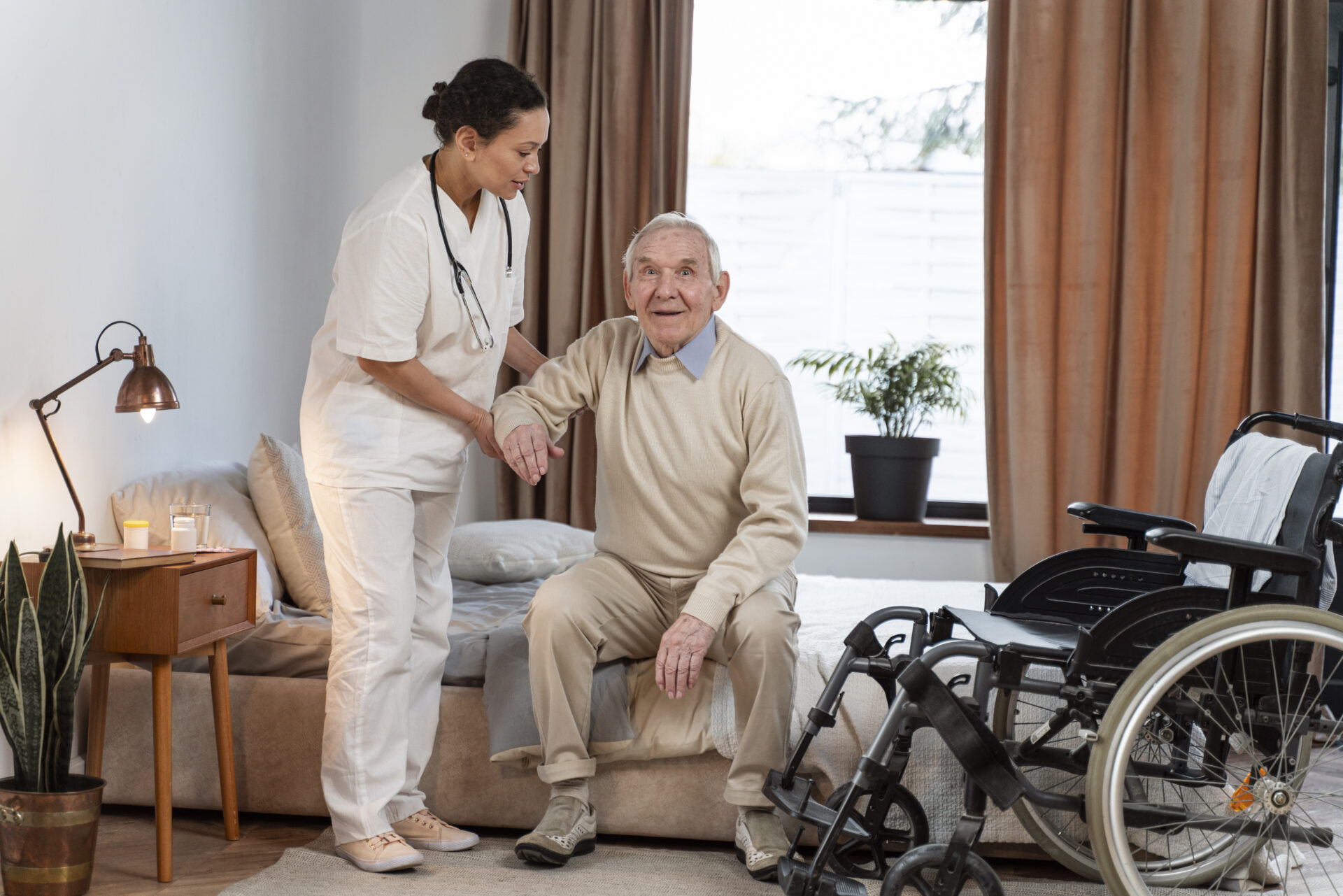
The impact and problems of body hair in elderly care.
Elderly people who require care often have difficulty with daily self-care, and tasks such as toileting and personal hygiene are among the most challenging for caregivers. The problem here is that if there is a lot of body hair, waste and dirt can get trapped in the hair, making it difficult to maintain cleanliness.
In particular, if there is a lot of body hair in the delicate area, caregivers are forced to spend more time cleaning that area and handling bodily waste. When dirt gets stuck in the hair, the risk of skin inflammation and infection increases, making it increasingly difficult to maintain cleanliness. If it is difficult to maintain cleanliness for an extended period, it can lead not only to frequent skin problems but also to serious health issues such as pressure ulcers (bedsores) and urinary tract infections.
For those receiving care, having hair removal done beforehand is very effective in preventing these problems. In particular, hair removal in the VIO (bikini area) area is expected to have a significant effect not only on the efficiency of cleaning but also on hygiene.
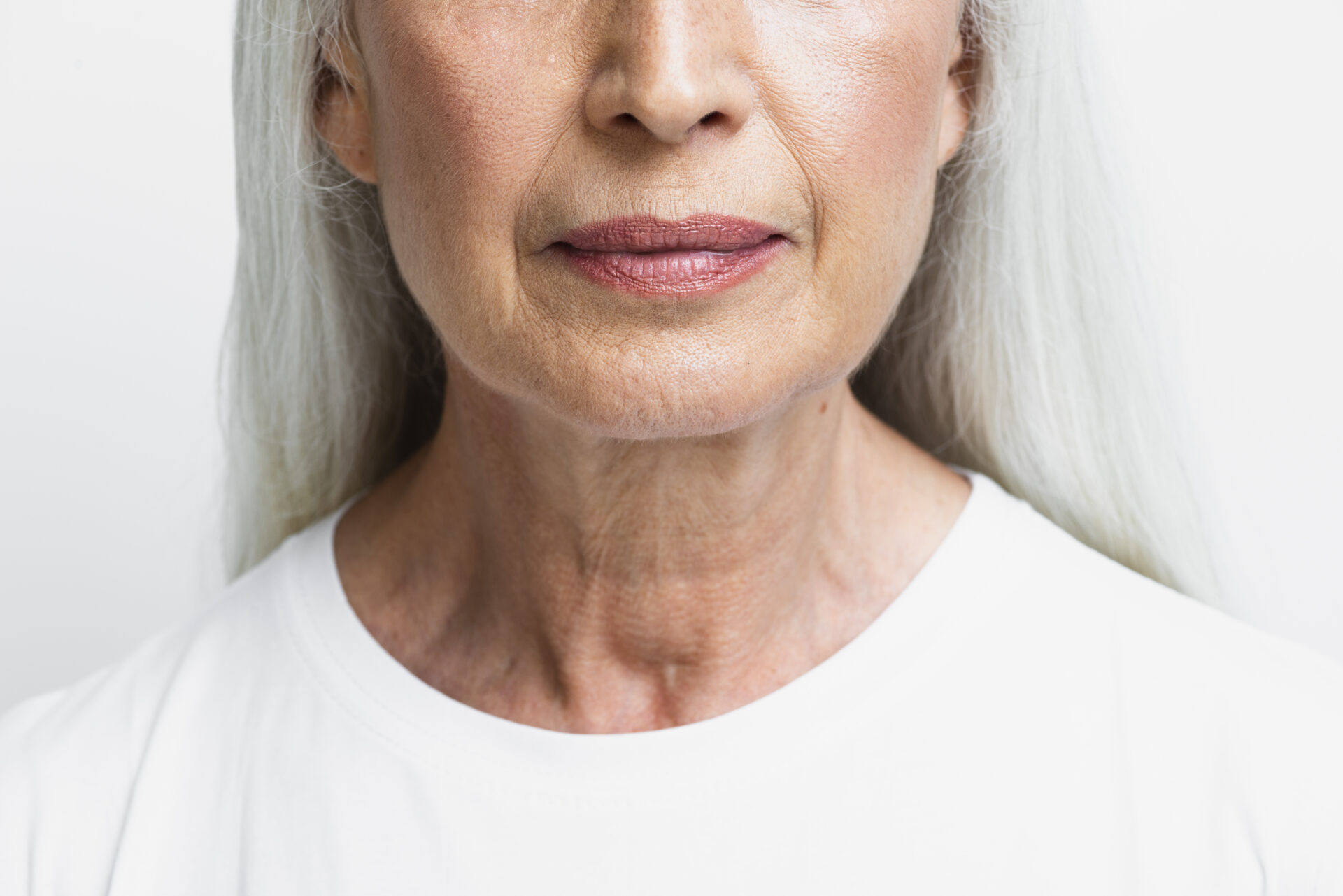
To reduce the burden on caregivers
When caregivers perform routine care such as toileting, bathing, and wiping, excessive body hair can make these tasks more difficult. In particular, caring for the delicate areas is a sensitive task for caregivers, and excessive body hair makes it even more time-consuming. In such situations, the physical and mental burden on caregivers increases, which in the long term can lead to a decline in the quality of care and health problems for the caregivers themselves.
Having hair removal done in advance for caregiving purposes has the advantage of reducing these burdens. By removing hair beforehand, the process of wiping down the body becomes smoother, which can reduce the burden on caregivers. In addition, improved hygiene allows the person being cared for to live more comfortably, and the quality of care also improves.
Reasons to start hair removal for elderly care early
It is recommended to start hair removal for caregiving purposes before reaching the age where caregiving is needed. This is because hair removal is not completed in a single session, and multiple sessions are required in accordance with the hair growth cycle. Also, as you get older, your skin's regenerative ability decreases, which can increase the risk of skin problems from hair removal treatments. Therefore, starting medical hair removal in your 50s or 60s allows for effective hair removal and prepares you for future caregiving needs.
Reasons to choose medical hair removal
When considering hair removal for elderly care purposes, self-treatment and hair removal at beauty salons are options, but "medical hair removal" is especially recommended. Medical hair removal is a procedure that can only be received at medical institutions and is superior in terms of safety and effectiveness.
Medical hair removal uses high-powered medical lasers to destroy hair follicles, making hair regrowth difficult and providing long-lasting results. This is a significant advantage for those considering hair removal for future care needs, as it minimizes the risk of hair regrowth during future caregiving situations.
Furthermore, because it is performed at a medical institution, you can rest assured that you will receive professional care tailored to your skin condition. As you age, your skin tends to thin, and self-treatment or hair removal at beauty salons carries the risk of damaging your skin. However, with medical hair removal, a doctor is in charge of supervision, so any problems can be addressed quickly.
Furthermore, medical hair removal can also be used for delicate areas such as the VIO area, and treatments are performed safely even in areas that are difficult to treat with self-treatment. Since hair removal in delicate areas plays a significant role in reducing the burden of future caregiving, medical hair removal can be said to be the optimal choice.
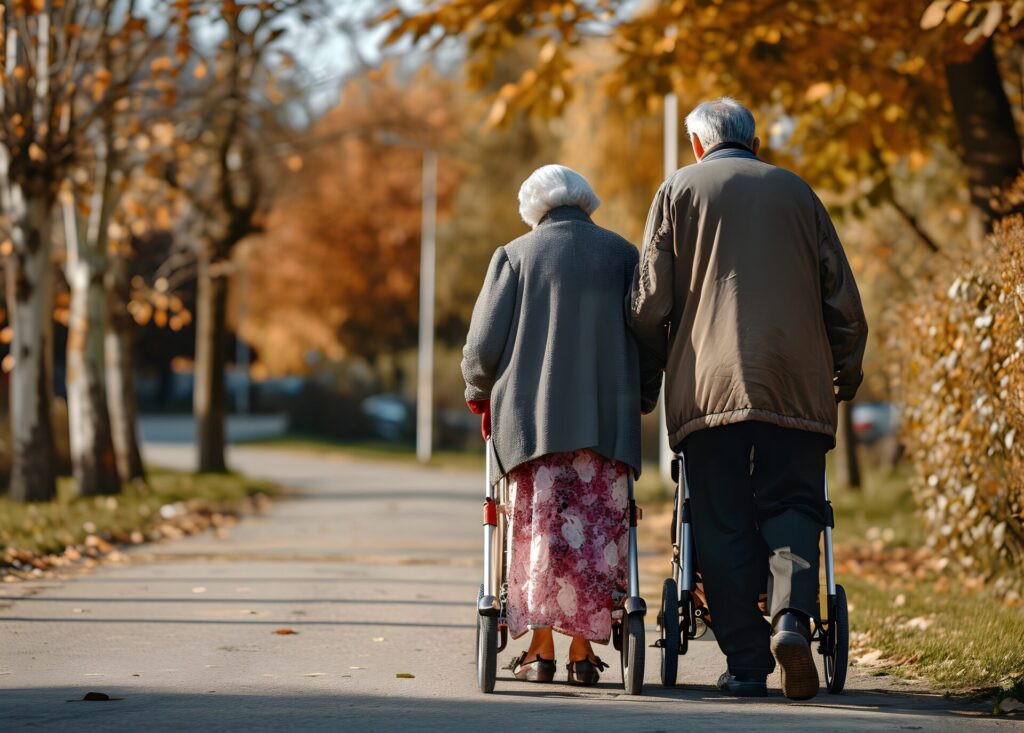
Preparing for a secure old age through hair removal for elderly care.
Hair removal for caregiving is an important preparation you can make now for your future self and your caregivers. By undergoing hair removal, you can maintain cleanliness when receiving care and reduce the burden on your caregivers. As someone receiving care, it's natural to want to live as comfortably as possible, but early preparation is necessary to achieve this.
Furthermore, undergoing hair removal for caregiving purposes can reduce your own physical burden and improve the quality of care you receive. Maintaining good hygiene reduces the risk of skin problems and infections, and can also lead to a better relationship with your caregiver.
Medical hair removal is the most effective way to ensure peace of mind for the future. By undergoing safe and effective hair removal, you can prepare for future care needs and make your later years more comfortable.





Comment