

While a healthy diet and exercise are certainly important, we usually spend far more time sleeping than on those things. Why not focus on sleep during the long autumn nights?
Sleep to reconsider in the fall
As the seasons change to autumn, the heat has subsided. At this time of year, I'd like you to reconsider something everyone needs on a daily basis: sleep.
In summer, high temperatures even at night can lead to problems like difficulty falling asleep and discomfort during sleep. Conversely, in winter, the body gets cold, and even after waking up in the morning, you may feel like you haven't slept enough. In this respect, autumn, with its stable climate, is the perfect season to improve your sleep quality. In fact, by improving your sleep quality during this comfortable time, you can recover from the fatigue of summer and prepare for the harsh winter.
Japanese people are known as a "nation of sleep deprivation." Do you ever struggle with seasonal changes, difficulty falling asleep, or feeling tired even after sleeping?
Japanese people sleep less than people in Western countries, and this trend is particularly pronounced among women. Furthermore, according to data from the Ministry of Health, Labour and Welfare, it is estimated that one in five Japanese people currently suffers from some form of sleep disorder. Sleep deprivation is considered a cause not only of poor health but also of poor beauty and aging.
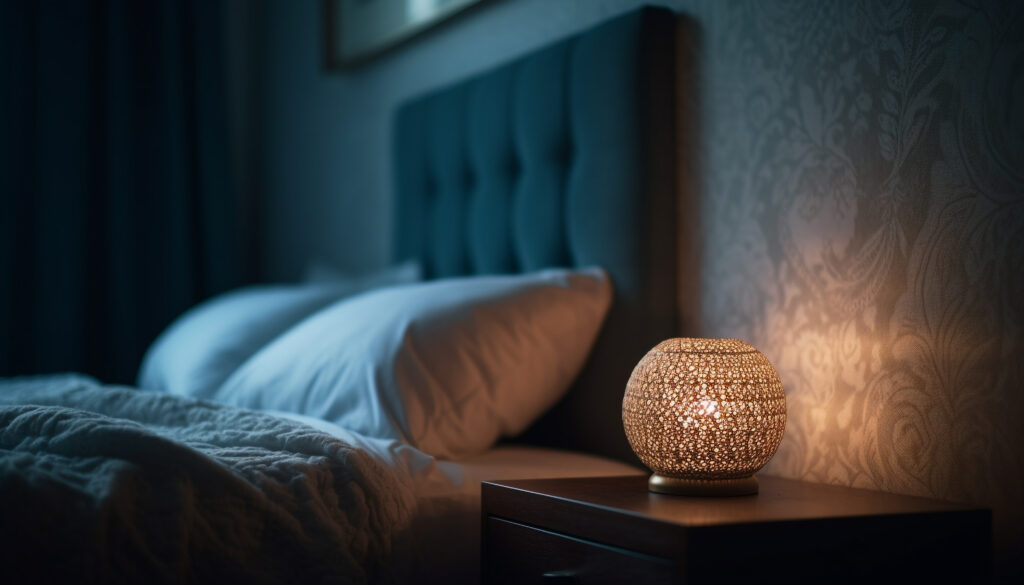
Long autumn nights are ideal for improving sleep.
Sleep is an essential element for regulating the body, yet for some reason, it tends to be overlooked. In fact, autumn is the best season to improve disordered sleep habits.
According to traditional Chinese medicine, the body's overall activity increases from spring to summer and then calms down from autumn to winter. Bodily functions such as blood flow, digestion and absorption, and metabolism are most active from spring to summer, reaching their peak in summer. Therefore, a lot of exercise and activity is needed in summer, and even staying up late will give you renewed energy. On the other hand, energy decreases from autumn to winter, and "early to bed" is the basic rule for sleep. It is important to adjust your bedtime to match the natural rhythm of earlier dusk and longer nights and ensure you get enough sleep. Getting plenty of sleep during the long nights, resetting your fatigue little by little each day, and maintaining good health are recommended in traditional Chinese medicine as ways to spend the long nights of autumn.
The longer nights of autumn, with shorter daylight hours compared to summer, make it easier for the body to produce a sleep hormone called melatonin, thus promoting improved sleep.
Some animals hibernate, not because it gets cold, but because they sense the shortening of daylight hours. Humans don't hibernate, but our internal clock influences our sleep patterns according to the length of the day. And, as the saying goes, "In spring, one sleeps so soundly one doesn't notice the dawn," the quantity and quality of sleep vary with the seasons.
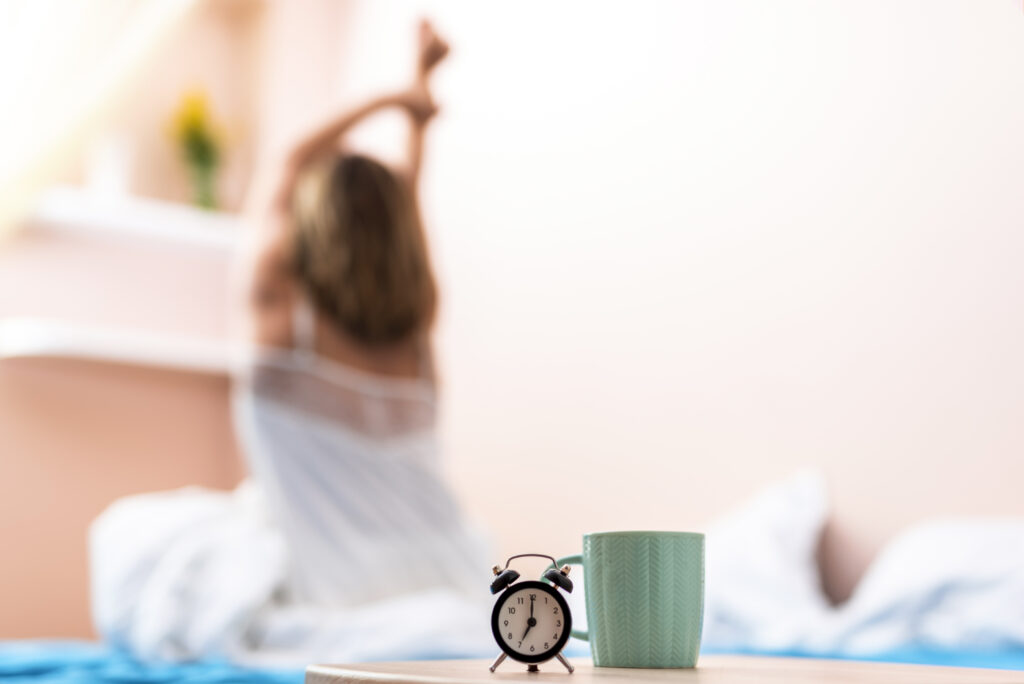
Factors that affect sleep
Seasonal differences in sunrise and sunset times
Our sleep is part of our biological rhythm, which is influenced by seasonal changes in sunrise and sunset times.
Seasonal temperature differences
If the room temperature or the temperature around your bed is too low or too high, it can negatively affect your sleep.
The relationship between sleep and body temperature
The basal body temperature, which is related to "sleep quality," is closely connected to sleep.
Body temperature is deeply related to sleep. During the day, the body maintains a higher temperature, and at bedtime, it lowers its internal temperature to allow the brain and body to rest. Sleepiness occurs when heat escapes from the skin, lowering the core body temperature and putting the body into rest mode. The deeper the sleep, the greater the drop in body temperature. The hands and feet, especially the backs of the hands and feet, play an important role in releasing heat. People with poor circulation have difficulty losing heat from their hands and feet, and their core body temperature does not drop easily, making it difficult to get quality sleep. Sleep deprivation can lead to autonomic nervous system imbalances and poor blood circulation, potentially creating a vicious cycle that worsens body coldness.
Sleep is very important
I understand the desire to sacrifice sleep, but sleep is essential for physical recovery, a comfortable day, and maintaining good health in the future. Diet is equally important. Prioritize diet and sleep, and develop habits that will help you enjoy a healthy and fulfilling life.




Comment