

”The difference between the "ketogenic diet" and the "low-carb diet"
Dieting, a timeless theme in both health and beauty, requires consistent effort without putting strain on the body or causing stress. While nearly 90% of women, regardless of age, have tried dieting, an equally large percentage have failed. The most common dieting method tried is "dietary restriction," which involves limiting calorie intake or choosing low-calorie foods. However, dietary restriction is inherently stressful and can lead to mental and physical discomfort, making it difficult to maintain. So, what if there was a diet that allowed you to "lose weight healthily while enjoying delicious food"? Wouldn't you want to try it immediately? This time, we'll explore the "ketogenic diet," which has gained more attention as a derivative of the "low-carb diet" that has become increasingly popular in recent years.
A "low-carb diet" is, quite literally, a simple method of reducing the amount of carbohydrates consumed. Originally used as a dietary therapy to treat diabetes, "low-carb diets" have recently been adopted by many people as an effective weight-loss method. However, while extreme carbohydrate restriction may lead to temporary weight loss, it can also decrease muscle mass and metabolism, making it easier to gain weight again and potentially leading to rebound weight gain. On the other hand, the "ketogenic diet" is a diet that focuses on the balance of the three major nutrients: protein, fat, and carbohydrates. Taking the first letters of "protein," "fat," and "carbohydrate," we call it "PFC." This diet involves consciously controlling the balance of PFC, and when metabolism changes to utilize body fat due to a low-carbohydrate diet, some of the fatty acids released from body fat are converted into "ketone bodies" in the liver, increasing the amount of "ketone bodies" in the blood. "Ketogenic" refers to a diet that burns body fat to break down fatty acids, producing "ketone bodies" from the liver, which then serve as an energy source for the brain and other organs. Since we primarily consume carbohydrates such as rice, bread, and noodles, we use glucose as our energy source. However, to make ketone bodies the main energy source, it is necessary to restrict carbohydrate intake. Increasing ketone bodies can enhance brain function and is also effective against dementia, sometimes called the third type of diabetes, improving cognitive function. While both involve restricting carbohydrates, the difference is clear. We spoke with Dr. Ryozo Saito, a leading physician who advocates the "ketogenic diet" and practices the "meat x ketogenic diet," which involves eating beef to make ketone bodies the body's energy source and burn fat.
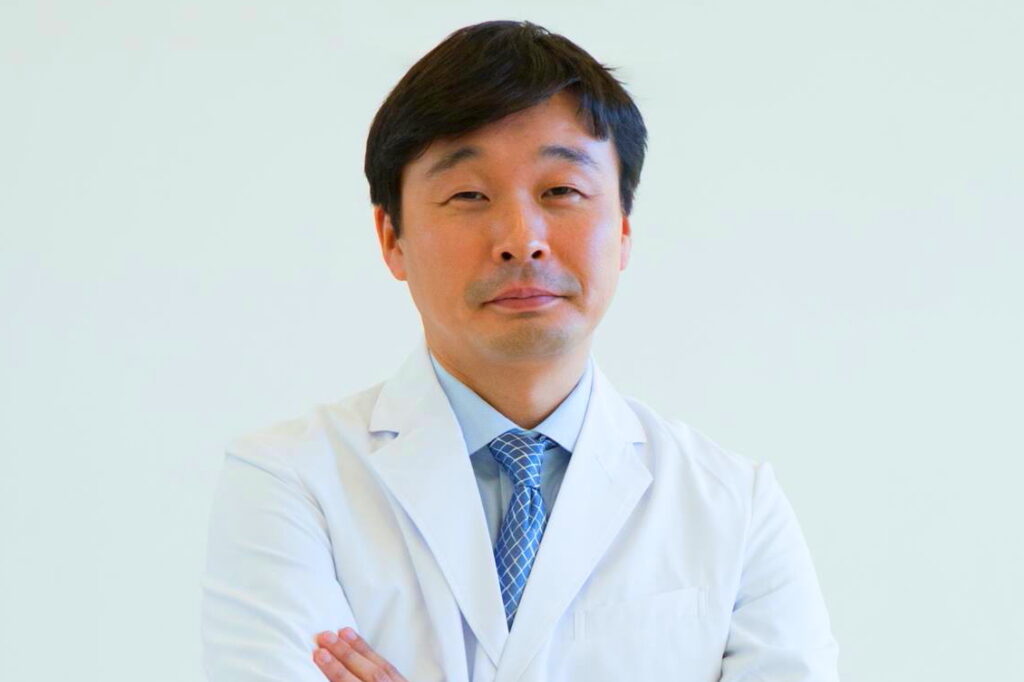
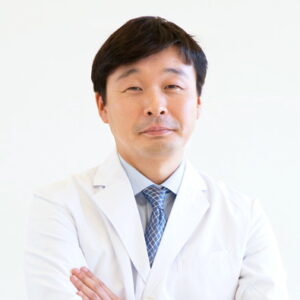
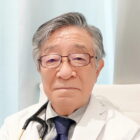
Doctor: Ryozo Saito Profile
Born in 1973, he is the third son of Nobuhiko Saito (Doctor of Medicine), a pioneer in autonomic nervous system regulation therapy using testosterone for women with menopausal symptoms. After graduating from Nippon Medical School in 1998, he became an obstetrician and gynecologist. Subsequently, he established a total anti-aging theory integrating cosmetic dermatology treatment, nutritional therapy, intravenous therapy, and hormone therapy. In 2008, he established the "Japan Institute of Functional Medicine" to promote the dissemination and research of "functional medicine" (incorporated in 2009). In 2013, he established the "Japan Functional Diet Association," a general incorporated association, with the motto "Making Japan healthy through food." In 2017, he opened "Saito Farm," Japan's first grass-fed beef specialty butcher shop, aiming to popularize grass-fed beef as a superfood. In 2018, he established "LifeQuest Co., Ltd.," a software medical device development company. In 2021, he established the "Digital Therapeutics Course," a joint research course between LifeQuest Co., Ltd. and Juntendo University. In 2022, he opened "Saito Clinic" as a treatment center that integrates functional medicine and regenerative medicine. His published works include "Surfers Don't Get Hay Fever" (Shogakukan), "The Concept of 'Functional Medicine' for Curing Chronic Diseases from the Root" (Kobunsha Shinsho), "Lose Weight Healthily by Activating the Ketone Body Pathway with Carbohydrate Restriction + Meat-Based Diet! The Ketogenic Diet" (Kodansha), and "Keep Illness Away! The Power of Vitamin D That Japanese People Don't Know About: Sunbathing Once a Day" (Kodansha +α Shinsho).
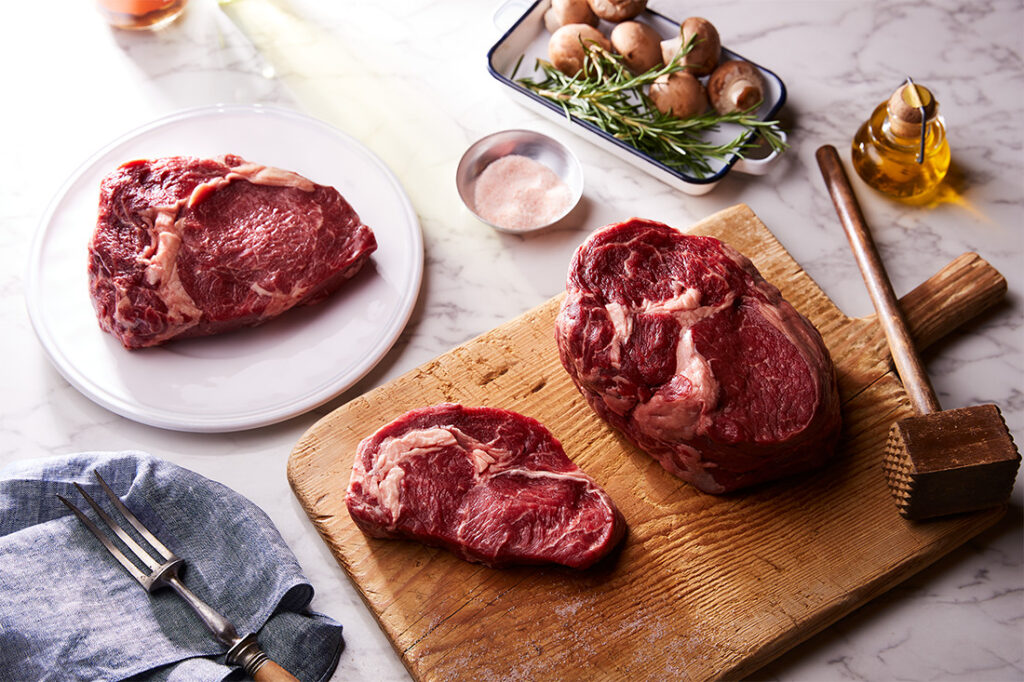
The principle of "meat x ketogenic diet"
We asked Dr. Saito, who has also written books on the ketogenic diet, which aims to help people "lose weight healthily while enjoying delicious food," about the principles of "meat x ketogenic diet."
[Aim for a daily intake of 400g of meat or fish.]
Professor Saito: Calculating your daily calorie intake can be difficult, right? You don't need to overthink it. Avoid grains and eat meat or fish. Soybeans and eggs are also OK. Since there's a limit to how much protein your body can absorb, it's ideal to divide it into 2-3 meals rather than eating a large amount in one meal to improve absorption. Aim for a palm-sized portion per meal, and aim for a daily intake of 400g.
[Grass-fed beef is ideal for meat.]
Professor Saito: Most of the beef we eat on a daily basis is grain-fed beef, which is made by feeding grain to cows, which are naturally herbivores, and allowing them to accumulate fat in barns. In other words, it's "metabolic beef." It's only natural that eating metabolic beef will make you metabolic. Therefore, it's ideal to eat grass-fed beef, which is raised healthily in a natural environment, grazing only on pasture and containing plenty of nutrients such as protein, vitamins, iron, and zinc. Grass-fed beef from New Zealand and organic Kitazato Yakumo beef are also recommended. If it's difficult to obtain, regular beef is fine, but try to eat lean meat as much as possible.
[Eat the same amount of vegetables as meat with every meal.]
Professor Saito: To ensure adequate potassium and fiber intake, aim to consume at least 150g of vegetables with each meal, roughly the same amount as meat. Avoid root vegetables such as sweet potatoes, potatoes, pumpkins, and carrots, as they are high in carbohydrates.
[Consume at least 2g of omega-3 oil per day]
Dr. Saito: Omega-3 fatty acids are essential nutrients that reduce inflammation in the body. I recommend omega-3 fatty acids obtained from oily fish, grass-fed beef, and flaxseed oil.
[Avoid consuming foods containing more than 101 TP3T of carbohydrates.]
Professor Saito: Excessive carbohydrate intake is a cause of obesity. Modern people, in particular, consume too much carbohydrate. You should avoid snacks, vegetables high in carbohydrates (root vegetables), and carbohydrates such as rice and bread.
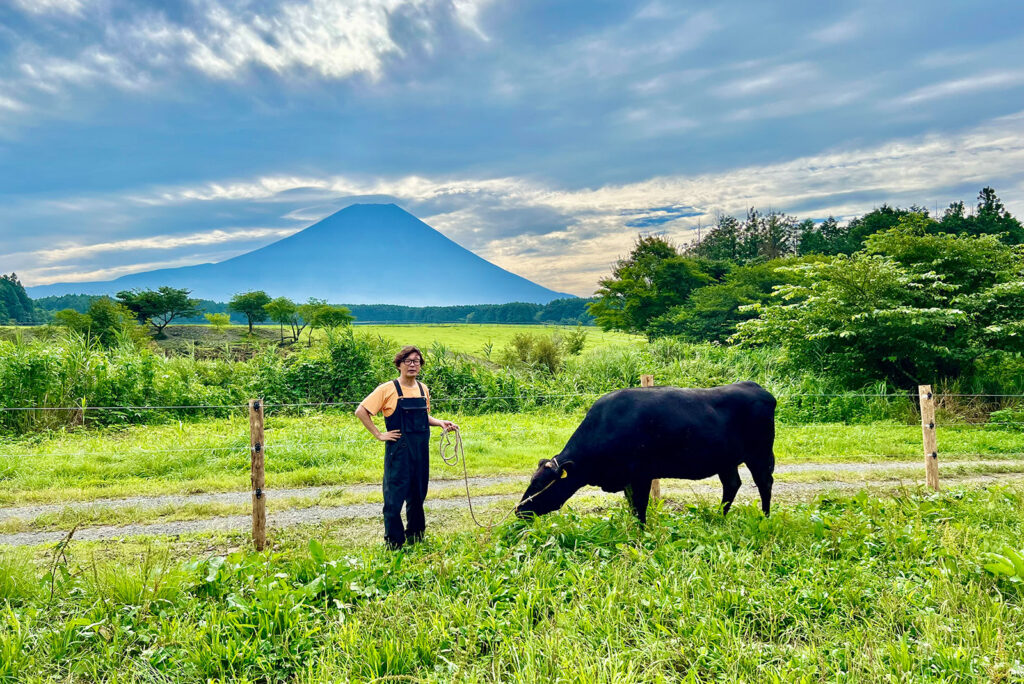
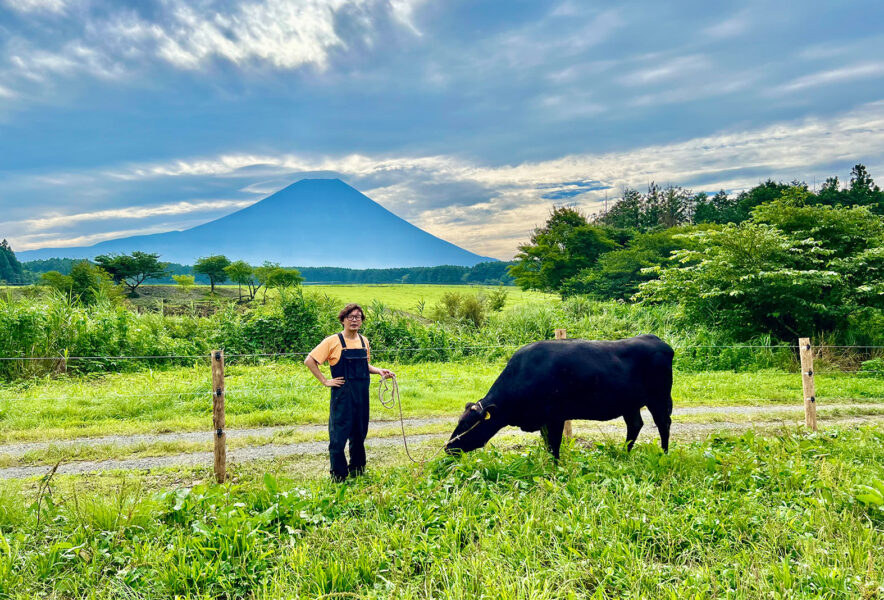
Ideal grass-fed beef raised at the foot of Mt. Fuji.
As a physician, Dr. Saito, who is dedicated to addressing the importance of "food" in influencing people's health, was one of the first to embrace the health benefits of grass-fed beef. In 2011, he began recommending high-quality beef at every lecture and interview. At the time, the term "grass-fed beef" didn't even exist, few restaurants served it, and much of the grass-fed beef sold was said to be "grassy and not tasty." So Dr. Saito himself continued his search for "healthy and delicious grass-fed beef," and after sampling various types, he finally found the finest grass-fed beef from New Zealand. Among them, the rare "ribeye roll" has an excellent balance of lean meat and fat, and Dr. Saito says it is "truly the ideal grass-fed beef." Dr. Saito, a physician, traveled across Japan to raise grass-fed Wagyu beef domestically, meeting producers and researchers. He began raising grass-fed cattle at "SAITO FARM" at the foot of Mt. Fuji, and now runs "SAITO FARM Azabu Juban," a butcher shop specializing in grass-fed beef. He also operates a restaurant there on weekday evenings, expanding opportunities for more people to learn about grass-fed beef. "SAITO FARM" is located at "Fumotoppara Campground," a sacred place for campers. A year before introducing cattle there, Dr. Saito happened to visit the place during his first-ever camping trip and thought, "Wouldn't it be great to raise cattle in a place like this?" This experience sparked his dream, which has now become a reality. Dr. Saito also demonstrates how to best enjoy this grass-fed beef on YouTube.
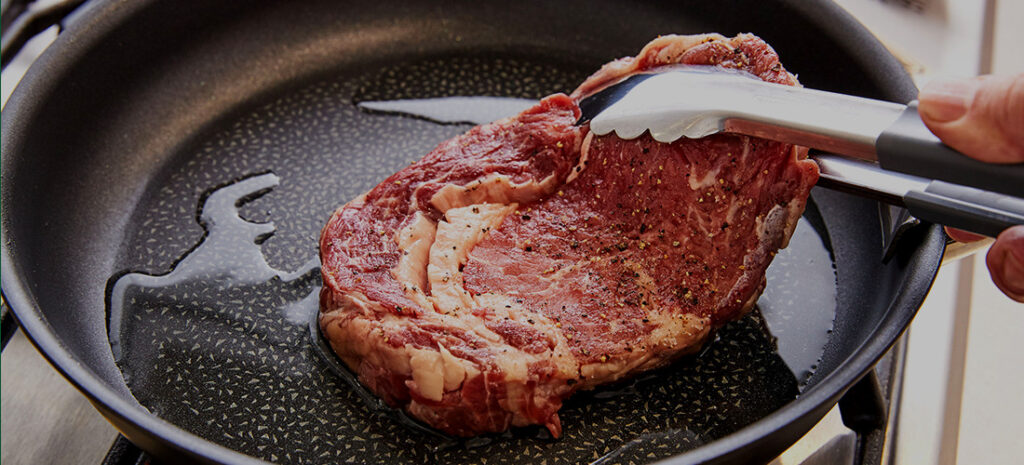
The best way to cook it is to "pan-fry" it, resulting in a crispy exterior and a rare, juicy interior.
Dr. Saito says that "deep-frying," which involves using plenty of high-quality oil and cooking the steak over high heat without mercy, is the simplest way to make a steak delicious. The cooking time is only 3 minutes (1 minute on one side, 1 minute on the other side, then flip it over for another 30 seconds, then flip it over again for another 30 seconds), and he advises setting a timer to 3 minutes beforehand to be sure. He recommends using high-quality olive oil, or coconut oil or MCT oil (*) which are mainly composed of medium-chain fatty acids. *MCT oil is an oil made only from medium-chain fatty acids, a natural component found in palm trees such as coconuts and palm seeds. The key to cooking is to bring the meat back to room temperature before cooking. And when cooking, be sure to lift the meat occasionally so that the oil reaches the bottom of the meat as well. Although it is different from the trendy low-temperature cooking method, Dr. Saito says that he wants you to eat it piping hot without letting it rest. So, why not try eating delicious food and becoming healthy and beautifully slim?
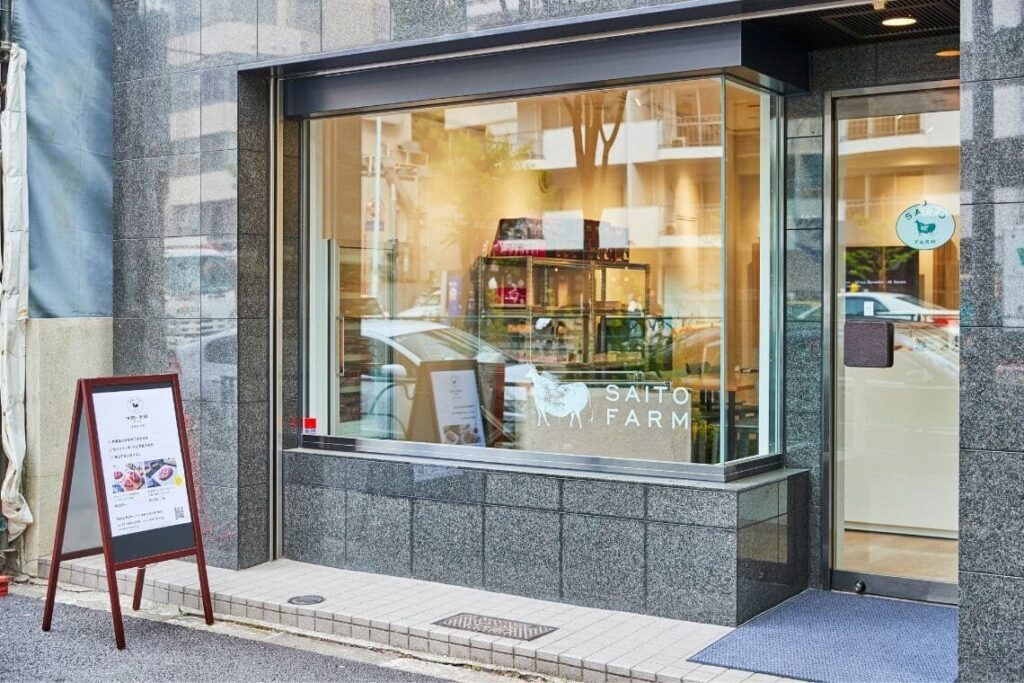
Saito Farm
SH Azabu 1F, 1-5-5 Azabu-Juban, Minato-ku, Tokyo 106-0045
TEL 03-6804-2984
https://saitofarm.jp/


Comment