

Doping has existed since the time of the ancient Olympic Games.
1988, Seoul Olympics.
The world was shocked by the men's 100-meter final.
Canadian sprinter Ben Johnson won the race with a world record time of 9.79 seconds. However, a few days later, it was discovered that he had used the banned substance stanozolol, and he was stripped of his gold medal and record.
This incident is known as one of the most famous doping scandals in sports history.
However, the history of doping is by no means new.
Records from the ancient Greek Olympic Games show that athletes drank special herbs and wines to improve their performance.
In the 19th century, stimulants such as caffeine, alcohol, and strychnine began to be used among athletes.
Then, in the 20th century, scientific advancements drastically changed doping.
Developed after World War IIAnabolic steroidsThis dramatically increased muscle mass and improved recovery ability.
It was later revealed that doping was being carried out at the national level from the 1960s to the 1980s.
In other words, doping is not simply a form of cheating, but also a realm where the history of science and technology intersects with that of sports.
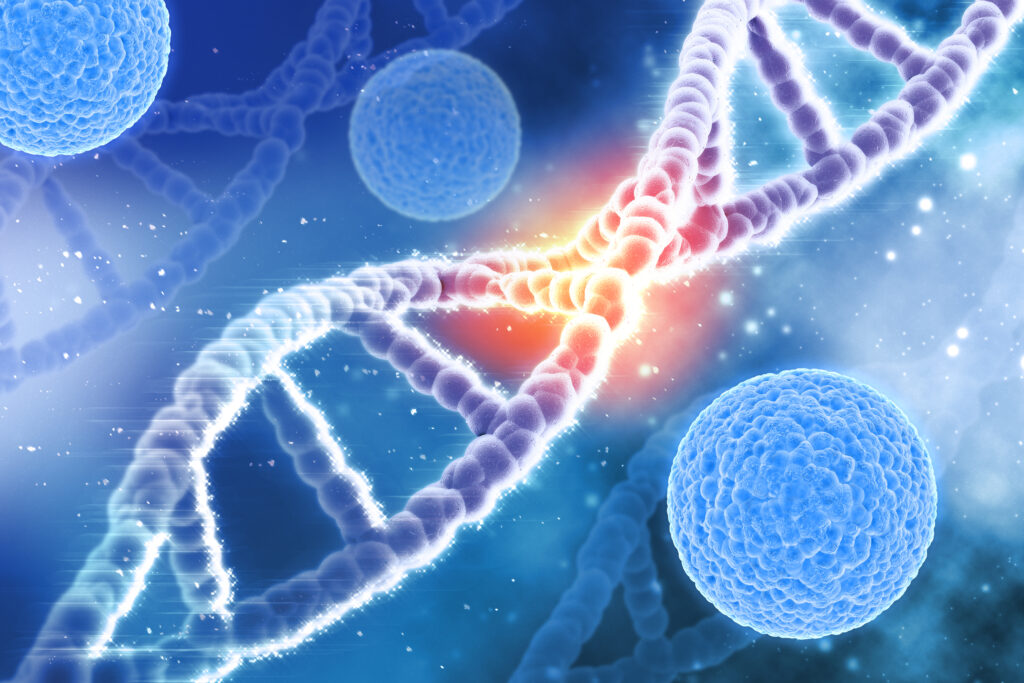
What is "genetic doping," the next generation of doping?
Currently, the most feared thing in the sports world isgene dopingThat is the case.
Gene doping is a technique that involves introducing genes into the body that enhance muscle growth or endurance.
For example, the following genes are being studied.
• EPO gene
Increases red blood cell production and enhances oxygen transport capacity.
IGF-1 gene
Promote muscle growth
- Myostatin suppression
Block genes that limit muscle growth
These were originally intended for the treatment of intractable diseases such as muscular dystrophy.Gene therapy researchThis technology originated from that.
However, theoretically, it would also be possible to significantly improve an athlete's physical abilities.
A further problem is that gene doping is not detected by conventional doping tests.It may be almost impossible to detect.That's the thing.
Methods for detecting drugs from blood or urine make it extremely difficult to detect genetic-level changes that have occurred in the body.
In other words, in the future, their abilities may appear as if they are a "naturally enhanced body."
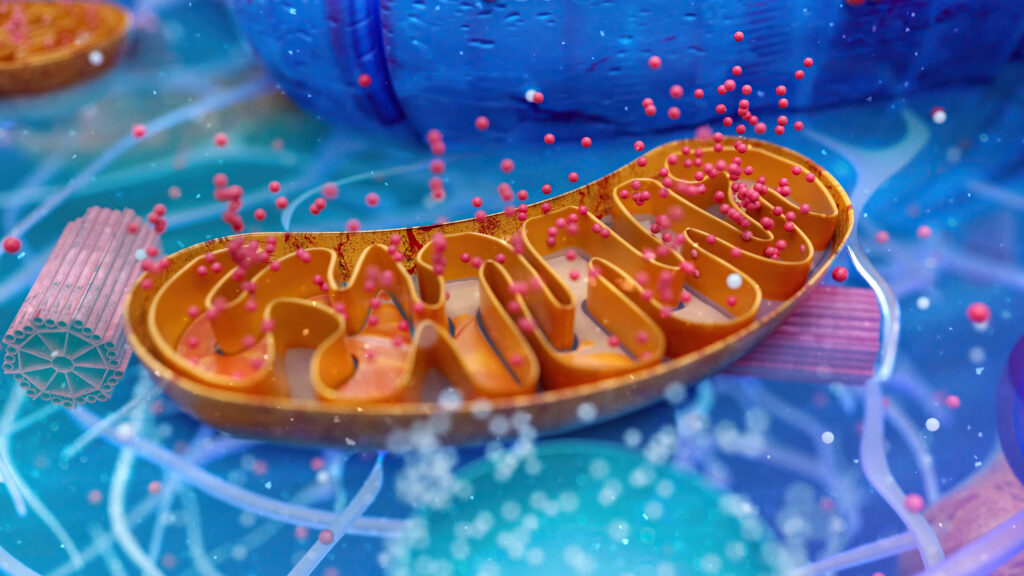
The deep connection between mitochondria and athletic ability
In recent years, one thing that has attracted attention in both sports science and aging research isMitochondriaThat is the case.
Mitochondria are tiny organelles found within cells that produce energy called ATP.
In other wordsCellular power plantsis.
Studies of the muscles of endurance athletes have shown that they have a much higher density of mitochondria than the average person.
Marathon runners and Tour de France cyclists have a large number of mitochondria in their muscle cells.
The more mitochondria there are
• High energy production capacity
- Endurance improves
- Less prone to fatigue
It has the following characteristics.
In other words, the function of mitochondriaAn important factor that influences athletic ability itselfThat's right.
Mitochondria are also the "switch of aging."
Here's an important fact.
Mitochondria are not only important for athletic ability,It is also deeply involved in aging.。
As we age, mitochondrial DNA becomes damaged, leading to a decrease in energy production efficiency.
As a result, the following changes occur:
Muscle weakness
Chronic fatigue
• Decreased metabolism
• Decreased immunity
In other words, aging is, in a senseThe decline in the ability to generate energyThat could also be said.
Currently, researchers around the world are studying various methods to improve mitochondrial function.
Typical examples
・NAD+ Booster
• Mitochondrial activating peptides
・Stem cell treatment
・Mitochondrial transplantation
These are some examples.
These studies not only improve sports performance, but alsoPotential to slow down agingIt also holds a secret.

To what extent can humanity resist aging?
In the world of sports, this is called "doping."
In the medical world, this is called "treatment" or "anti-aging."
However, it is essentially an extension of the same science.
Since ancient times, humankind has used its wisdom to overcome the limits of nature.
We've used fire, made tools, invented medicines, and now we're entering an era of gene editing.
To improve physical abilities.
To slow down the aging process.
Both are themes that humanity has long pursued.
And now, thanks to advances in life sciences, one question is becoming increasingly relevant.
To what extent can humans become younger?
No one knows the answer yet.
But one thing is certain.
Humanity will continue to
Using the wisdom of science, we continue to push the boundaries.That's the point.








Comment