
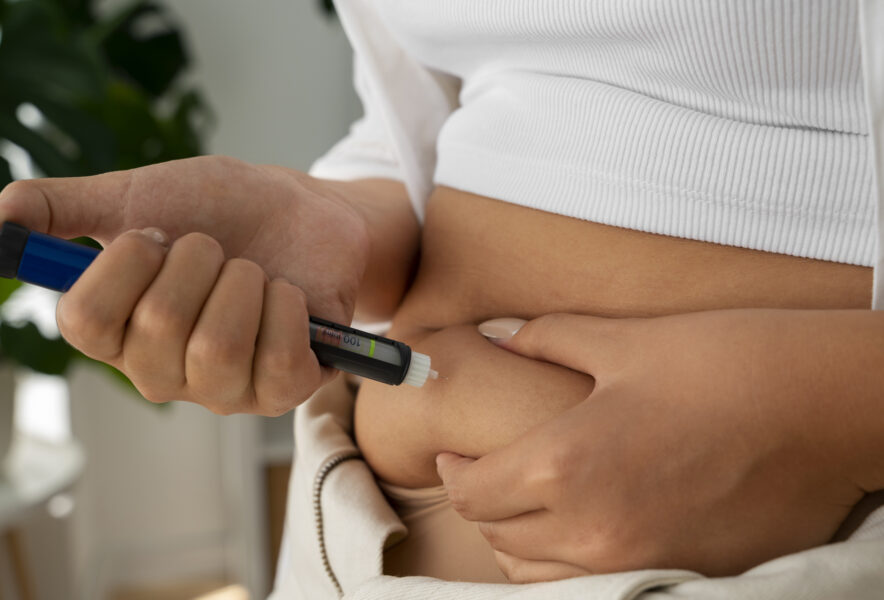
"Once you develop diabetes, you'll never be able to stop taking insulin or medication." This conventional notion of diabetes is now about to be completely overturned. Since the 2020s, the integration of regenerative medicine and biotechnology has progressed at an accelerating pace. As of 2026, we are witnessing a historic turning point, moving from the stage of "living with the disease" to the stage of "overcoming the disease." In this article, we will provide a thorough explanation, incorporating expert insights, of the latest regenerative medicine and next-generation treatment options that symbolize this paradigm shift in diabetes treatment.
1. Towards resolving the ultimate donor shortage: Stable supply of "pancreatic islet cells" provided by iPS cells
One fundamental treatment for diabetes, especially type 1 diabetes, is islet transplantation. This procedure involves extracting insulin-producing cells from the pancreas of a deceased donor and injecting them into the patient's body. However, this treatment has always faced the obstacle of a severe shortage of donors. It was not uncommon for donations from multiple donors to be necessary to save a single patient.
What broke through this barrier was iPS cells (induced pluripotent stem cells), in which Japan leads the world. From 2025 to 2026, clinical trials to transplant "artificial pancreatic islet cells," differentiated from iPS cells, into the body in sheet form are progressing to the final stage.
What's particularly noteworthy is that not only has the number of cells increased, but their "quality" has also improved. With the latest "cell sheet technology," cells are not injected individually, but are transplanted in layers. This dramatically improves the rate at which cells take hold in the body, allowing for more efficient and precise insulin secretion in response to blood glucose levels. Furthermore, progress is being made in developing "universal iPS cells" that are less susceptible to immune attacks after transplantation, using genome editing technology (such as CRISPR/Cas9). This opens up a future where the use of powerful immunosuppressants, which have previously placed a heavy burden on patients, can be significantly reduced or even eliminated.
2. The reality of xenotransplantation: Bio-artificial pancreatic islets and "encapsulation technology"
Alongside iPS cells, "xenotransplantation," which utilizes animal cells (mainly from pigs), and the "microcapsule technology" that supports it are currently attracting significant attention. You might wonder why pigs, but in fact, the structure of porcine insulin is very similar to that of human insulin, and before the advent of genetically modified insulin, porcine insulin was actually used for treatment.
As of 2026, clinical trials for "bio-artificial pancreatic islets," which involve transplanting pancreatic islet cells harvested from pigs managed under sterile conditions for medical use, encased in a special material, are accelerating. The key to this is the capsule made from cutting-edge biomaterials. The walls of this capsule have tiny holes that are invisible to the naked eye. These holes are designed to allow oxygen, nutrients, and secreted insulin necessary for life to pass through, but to block human immune cells and antibodies that would attack the transplanted cells.
The remarkable aspect of this technology is its extremely minimal surgical burden. Instead of the conventional method of directly injecting the liver's blood vessels, a method is being investigated that completes the treatment simply by implanting a small device under the skin of the arm or abdomen. In the unlikely event of rejection or abnormalities after transplantation, the device can simply be removed, dramatically improving safety.
3. Stopping it "before the onset of symptoms": The forefront of preventive medicine using immunomodulatory drugs
The definition of regenerative medicine is not limited to repairing damaged functions. Suppressing autoimmune attacks and protecting remaining beta cells (insulin-producing cells) are also important strategies for "regeneration and protection." In the mid-2020s, the treatment concept for type 1 diabetes dramatically shifted from "curing it after it develops" to "preventing or delaying its onset."
Anti-CD3 antibody drugs such as teplizumab, which were approved in the United States, have been shown to delay the onset of type 1 diabetes by an average of more than two years, and in some cases several years, in people at extremely high risk of developing it (stage 2). This "delay in onset" is of crucial importance to patients and their families, as it buys them time until the latest treatments are established.
Furthermore, this concept of "resting and protecting the pancreas" is also being applied to the early treatment of type 2 diabetes. By performing strong therapeutic interventions in the early stages of the disease and allowing exhausted beta cells to rest, the body's self-repair ability is stimulated. This approach, which aims to maintain pancreatic function in the healthiest possible state—a function previously thought to be irreversible once deteriorated—and to enable patients to graduate from drug therapy (remission), is becoming one of the standard treatment options by 2026.
4. The "light and shadow" we face: Challenges to practical application
While this represents remarkable progress, we cannot ignore the hurdles to its social implementation. One is the issue of "treatment costs." Regenerative medicine requires advanced cell culture equipment and specialists, making it extremely expensive at present. For it to be accessible to all patients, not just a select few wealthy individuals, coverage under public insurance and significant cost reductions through robotization of the manufacturing process are essential.
Another important aspect is confirming "long-term safety." This means ensuring that transplanted cells continue to function normally in the body for decades, or whether there is a risk of the cells mutating and becoming cancerous. The latter half of the 2020s will be a crucial period for steadily accumulating this data and establishing reliability.
5. Towards an era where we can believe in a "complete cure" for diabetes.
In the past, the only hope for diabetic patients was "controlling blood sugar levels." But now, the hope before us has changed to "reclaiming the joy of producing insulin in our own bodies again." Regenerative medicine is not just a new treatment method. It is a godsend technology that fundamentally eliminates anxiety about food, fear of hypoglycemia, and the threat of complications from patients' lives.
I sincerely hope that everyone will consider these latest scientific developments as something that directly concerns them. Advances in medicine are the result of the unwavering determination of researchers and patients who never gave up. By correctly grasping the latest information and discussing "future options" with your doctor, you can take a positive step that will lead to a healthier tomorrow.





Comment