

The background and effects of the increase in shingles
In recent years, there has been an increasing trend in the incidence of shingles. In particular, people with weakened immune systems due to the stresses of modern society and an aging population are at increased risk of developing the disease. Shingles can occur in both men and women of all ages, but it is becoming increasingly common in people over 50, as well as in younger generations whose immune systems are weakened due to overwork or illness.
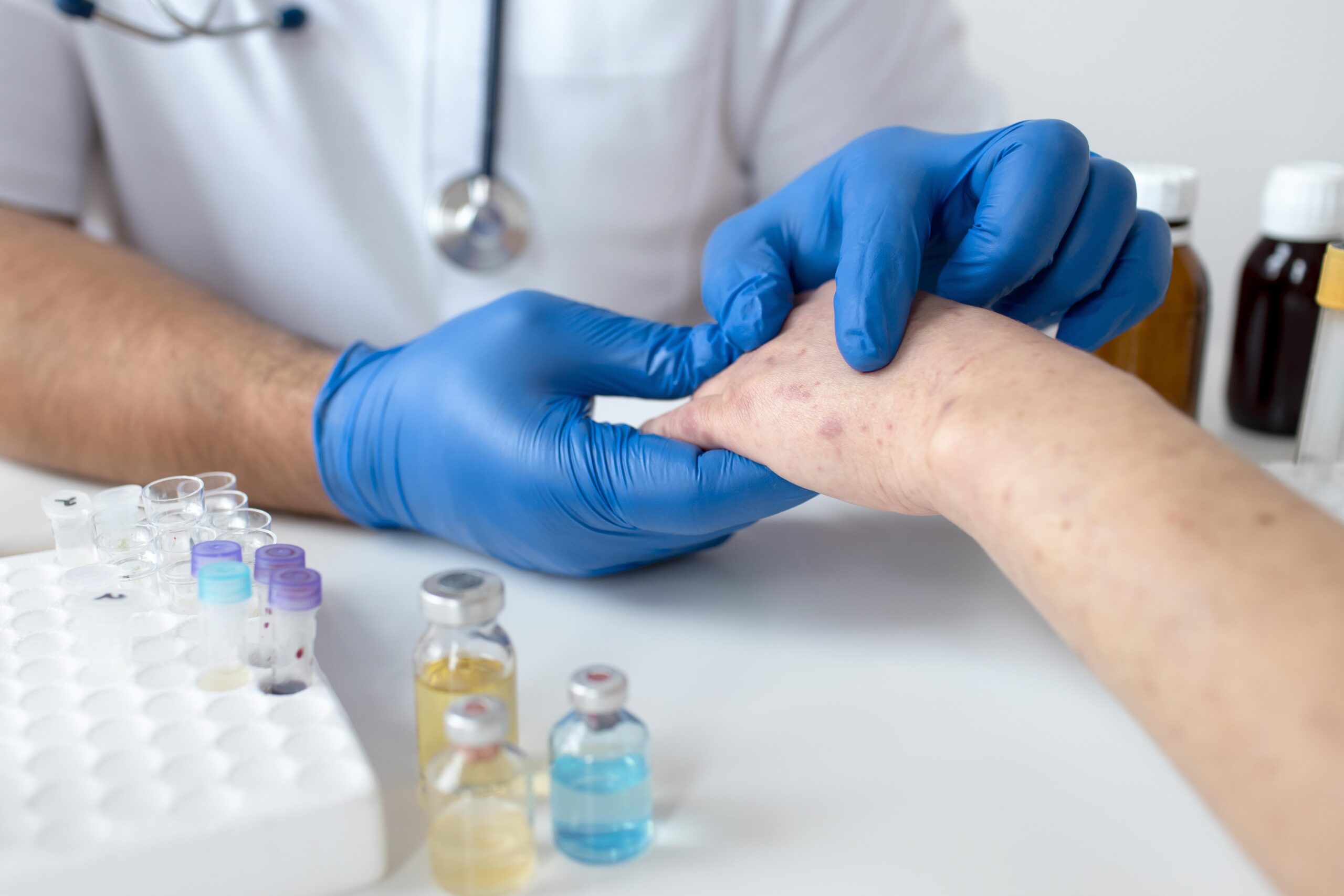
The main symptoms include blister-like rashes on the skin and severe neuralgia. The pain may persist even after the rash has subsided, a condition known as "postherpetic neuralgia (PHN)." Because this sequela can have a serious impact on daily life, early treatment and appropriate care are essential.
Conventional treatments for shingles and their challenges
Common treatments for shingles include the use of antiviral drugs and pain relievers. Antiviral drugs help to slow the progression of the disease, but they do not completely prevent complications. Pain relievers, on the other hand, only provide temporary relief and do not lead to a fundamental resolution of the pain.
Furthermore, while skincare and cosmetic treatments are used to improve shingles scars, there are limits to how much they can be made invisible. Against this backdrop, stem cell therapy has been attracting attention in recent years.

New hope offered by stem cell therapy
Stem cell therapy approaches the pain and scarring of shingles in a different way than conventional treatments. This treatment utilizes the regenerative capacity at the cellular level to enhance the body's self-healing abilities, thereby reducing pain and promoting skin regeneration.
1. Stem cell culture supernatant treatment
Stem cell culture supernatant is a treatment method that uses components obtained during the stem cell culture process. This supernatant is rich in growth factors and anti-inflammatory factors, and the following effects can be expected:
- Pain reliefIt reduces nerve inflammation and alleviates the symptoms of postherpetic neuralgia.
- Skin regenerationIt promotes the regeneration of damaged skin and makes scars less noticeable.
- Improving immunityIt regulates the local immune response and reduces the risk of recurrence.
This treatment is non-invasive, has minimal downtime, and is suitable for patients of all ages.
2. Autologous cultured stem cell treatment
Autologous stem cell therapy involves collecting the patient's own stem cells, culturing and proliferating them, and then returning them to the treatment site. This treatment offers the following advantages:
- Fundamental solution to painIt promotes nerve repair and improves nerve damage that causes pain.
- Long-term effectsLong-lasting improvement can be expected with a single treatment.
- Few side effectsBecause it uses cells derived from the patient's own body, the risk of rejection and side effects is low.
In particular, it plays a significant role in preventing recurrence and improving the quality of life for patients suffering from postherpetic neuralgia.

Why should you choose stem cell therapy?
Stem cell therapy offers a new option for improving pain and scarring that cannot be resolved with conventional treatments. It is recommended for many patients for the following reasons:
- fundamental treatmentBy repairing nerves and skin at the cellular level, it fundamentally improves pain and scarring.
- preventive measureBy strengthening the immune system, it reduces the risk of recurrence.
- Wide range of applicationsIt is suitable for patients of various ages, from the elderly to younger people.
- Beautiful finishBy enhancing the skin's regenerative capacity, it also contributes to improving appearance.

summary
Shingles is not just a skin disease; the pain and long-term effects can severely impact a patient's life. With the emergence of stem cell therapy, a new treatment option in addition to conventional therapies, more people can now achieve faster recovery and regain healthy skin.
In particular, stem cell culture supernatant therapy and autologous cultured stem cell therapy utilize their respective strengths to provide optimal treatment tailored to each patient's symptoms. If you are suffering from the pain or scarring of shingles, why not consult a specialist clinic?








Comment