
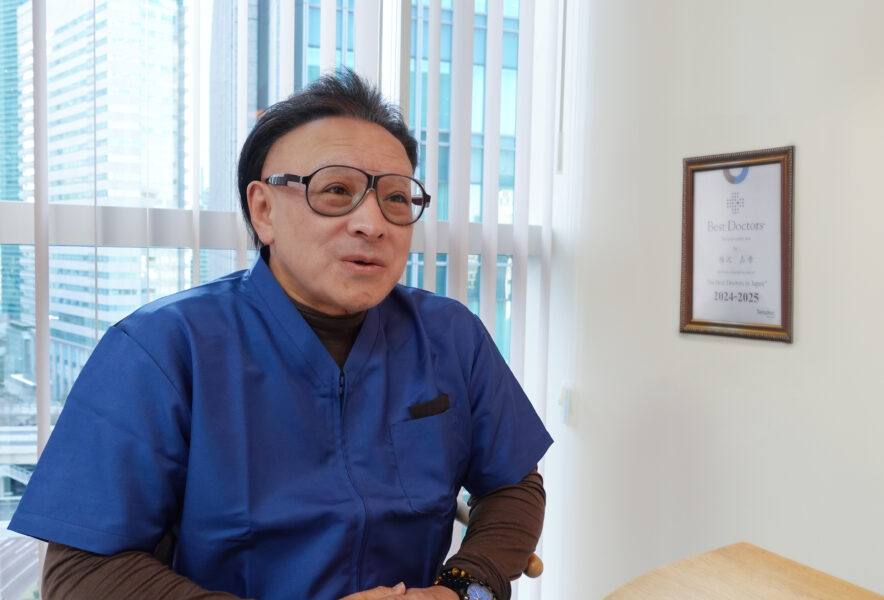
Modern medicine is constantly evolving, with significant progress being seen, particularly in the fields of genomic medicine and regenerative medicine. At the forefront of this medical advancement is Professor Emeritus Yoshitaka Fukuzawa of Aichi Medical University. As a specialist in gastroenterology and hepatobiliary-pancreatic medicine, and a leading researcher in genomic medicine, Professor Fukuzawa shared his experiences and thoughts on the future of medicine. This article introduces Professor Fukuzawa's beliefs as a physician, his feelings towards patients, and his perspective on the possibilities of medicine.
- Yoshitaka Fukuzawa
- Reasons for choosing gastroenterology
- Reasons for specializing in hepatobiliary and pancreatic medicine and genomic medicine
- Unforgettable Cases and My Mission as a Doctor
- Insights gained from balancing research and clinical practice
- The basics and advancements of genomic medicine
- Current status and challenges of genomic medicine in Japan
- A message from Professor Yoshitaka Fukuzawa
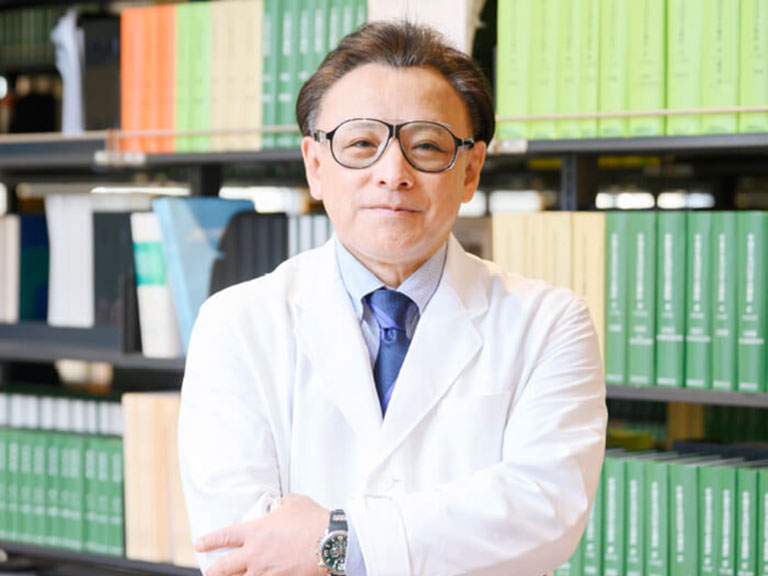
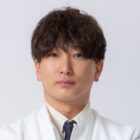
Yoshitaka Fukuzawa
He is a former professor and director of the Center for Comprehensive Preventive and Integrative Medicine at Aichi Medical University Graduate School of Medicine (Strategic Proactive Integrative Medicine and Health Enhancement Promotion) and Aichi Medical University Hospital (concurrently serving in the Department of Hepatobiliary and Pancreatic Medicine at Aichi Medical University Hospital), a board member and professor emeritus at Aichi Medical University, and chairman of the Aichi Medical University Alumni Association (Aikitsukai). He holds a PhD in Medicine and is a FACP. He is also a visiting professor at the Faculty of Medicine, University of Munich (LMU). He serves as the chairman of the Japanese Society for Clinical Genomic Medicine and the Japanese Society for Proactive Clinical Medicine, and holds important positions in various academic societies. He is in charge of overall supervision of health and medical promotion projects in the fields of clinical practice, research, and education. Notably, he has been selected as one of The Best Doctors in Japan (Teladoc.HEALTH, as of June 2024) six times. He is also the chief academic advisor of CLINIC 9ru and THE PREVENTION CLINIC (VIP Health Checkup Center).
(Clinical work, research, education, awards, and other achievements; see Yoshitaka Fukuzawa's research map):https://researchmap.jp/read0174798/
Reasons for choosing gastroenterology
Q1. What was your reason for choosing gastroenterology as your specialty?
I chose gastroenterology because I was drawn to the fact that diseases of the digestive system are deeply interconnected with the entire body. The digestive system not only controls nutrient intake, but also plays a crucial role in influencing the immune system, hormone secretion, and even psychological health. I found great significance in being able to provide treatment that directly impacts patients' physical condition and quality of life, and I felt that gastroenterology, which allows me to be involved consistently from diagnosis to treatment, perfectly matches the type of doctor I aspire to be. Furthermore, because gastroenterology deals with a very wide range of diseases, I was attracted to the opportunity to provide patients with the best possible treatment by utilizing a wide range of knowledge and skills.
Reasons for specializing in hepatobiliary and pancreatic medicine and genomic medicine
Q2. What led you to specialize in hepatobiliary and pancreatic medicine and genomic medicine?
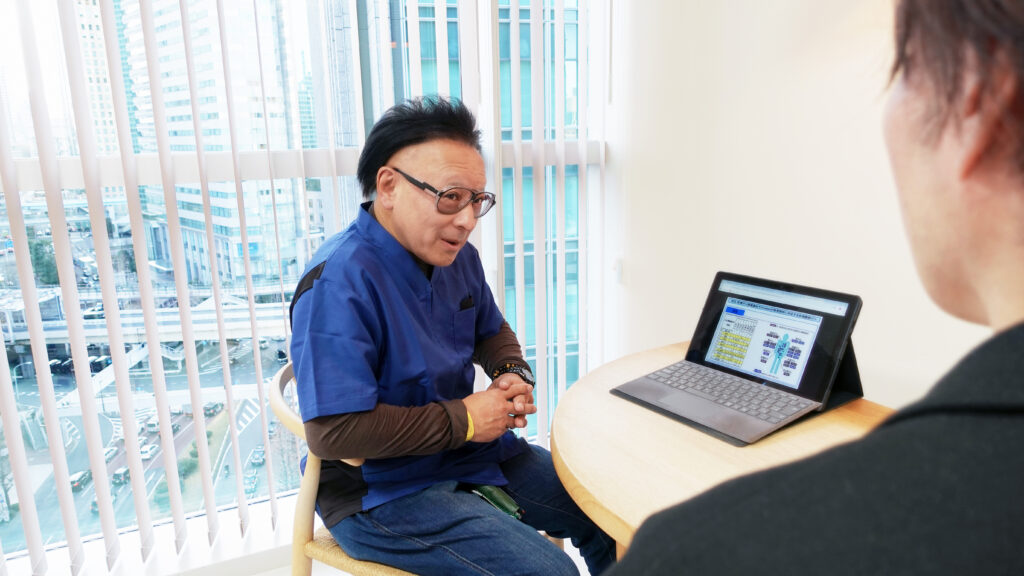
I decided to specialize in hepatobiliary and pancreatic medicine because I felt that these areas will become increasingly important in the future. Liver and pancreatic diseases, in particular, are very difficult to detect early, but early intervention greatly impacts patients' prognosis. Furthermore, with the advancement of genomic medicine, disease prevention and personalized treatment are becoming a reality, and I realized that research in these areas has the potential to fundamentally improve patients' lives. I am convinced that genetic factors and molecular biological approaches will revolutionize disease prediction and treatment in future medicine, and I chose this field to be at the forefront of that effort.
Unforgettable Cases and My Mission as a Doctor
Q3. What are some particularly memorable cases or treatment experiences?
One unforgettable case involved a young patient with liver cancer. The diagnosis was delayed, and surgery was difficult, but our entire team explored the best treatment options and used the latest molecular targeted therapy. The patient recovered and is now living a healthy life. When the patient recovered, they said, "You've changed my life, thank you," which was incredibly rewarding as a doctor and remains etched in my memory. This experience reaffirmed my understanding that the essence of a doctor's role is not merely to cure diseases, but to give patients hope and support them in their future lives. This experience deepened my sense of mission as a physician.
Insights gained from balancing research and clinical practice
Q4. What challenges did you face in balancing research and clinical work, and what insights did you gain?
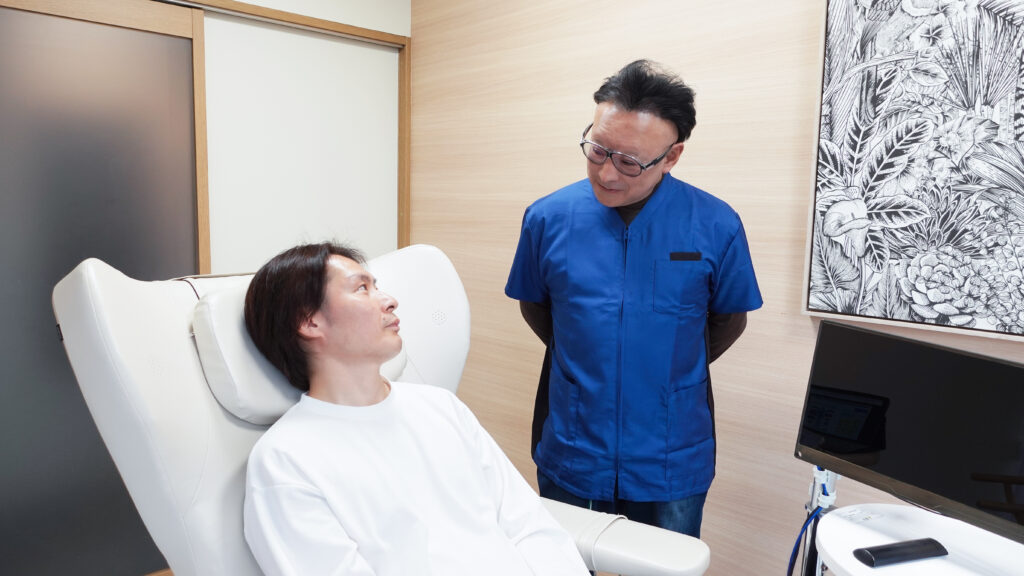
Balancing clinical practice and research has been extremely challenging, both in terms of time and mentally. I felt a great sense of responsibility, especially when conducting research while being responsible for patients' lives. However, I have always maintained a strong belief that the knowledge gained through research and the development of new treatments will ultimately benefit patients, and I continue my research to this day. Furthermore, I find great satisfaction in being able to reflect questions and challenges from clinical practice into my research, and conversely, in seeing research results prove useful in clinical practice. The insights I gained through balancing both have broadened my perspective as a physician and allowed me to cultivate the ability to always provide the best possible options for patients. I truly believe that the real-world data and experiences gained in clinical practice generate valuable insights in research as well.
The basics and advancements of genomic medicine
Q5. What is the background behind the growing attention to genomic medicine?
The rise of genomic medicine is driven by advancements in science and technology, and the resulting innovations in gene analysis techniques. Our bodies are made up of approximately 60 trillion (recently estimated at 37 trillion) cells, and each cell contains DNA packed with genetic information. This genetic information in DNA determines the structure and function of our bodies. Previously, it was extremely difficult to understand how diseases were related to genes, but recent advances in genome analysis technology have revealed how gene mutations and abnormalities are involved in diseases. Genomic medicine aims to provide optimal treatments and preventive measures for individual patients based on this genetic information. This has made it possible to offer new treatments for diseases that were previously difficult to treat (so-called intractable diseases), and is advancing "personalized medicine" and customized medicine tailored to each individual patient.
Q6. How can the information obtained from genome analysis be useful?
The information obtained through genome analysis is primarily useful in two aspects: "personalized treatment" and "prevention."
- Personalized treatmentWhen a disease is found to be genetically linked, the most effective treatment can be selected based on the patient's genetic characteristics. For example, in cancer treatment, by examining the genetic mutations in cancer cells and selecting the drug most effective against those mutations, it becomes possible to maximize the effectiveness of the treatment. In this way, treatment methods can be customized based on each patient's genetic information.
- preventionThrough genome analysis, we can understand the genetic risk of developing specific diseases. Based on this information, it becomes possible to take preventive measures before the disease develops. For example, if you are at high risk due to genetics and environment, you can reduce the risk of developing the disease by improving your lifestyle and strengthening regular checkups (for example, the mRNA testing I introduced when I established the Center for Preventive and Integrative Medicine at Aichi Medical University Hospital in April 2015—1) longevity gene testing and 2) cancer risk testing for 8 organs in men and 11 organs in women—are good examples). In this way, genome analysis is a medical technology that improves the accuracy of treatment and has a significant impact on the early detection and prevention of diseases.
Current status and challenges of genomic medicine in Japan
Q7. What are the current status and challenges of genomic medicine in Japan?
Genomic medicine in Japan has been developing rapidly in recent years, achieving certain results, particularly in the treatment of cancer and rare diseases. For example, cancer genomic medicine has introduced "cancer genome profiling," which provides personalized treatment based on the patient's genetic mutations, opening up new avenues for cancer treatment.
- Points where we are making progressOne reason is the progress in national support systems and regulatory frameworks. The Japanese government has formulated the "Basic Plan for the Promotion of Genomic Medicine" to accelerate the spread of genomic medicine, and is working to improve the system, such as making some gene analysis in hospitals covered by insurance. In addition, Japan has many research institutions with high technological capabilities, and in some areas, it is a world leader in genome analysis technology and its application in medical settings.
- assignmentThe challenges include the slow pace of adoption and the lack of adequate education. Genomic medicine is highly specialized, and not all healthcare professionals possess the necessary knowledge or the ability to use it appropriately. Furthermore, careful consideration is needed regarding patient explanations and ethical issues (handling of genetic information and protection of privacy). In addition, the high cost of genome analysis means that it will take time for it to become widely available to the general public, which is another challenge.
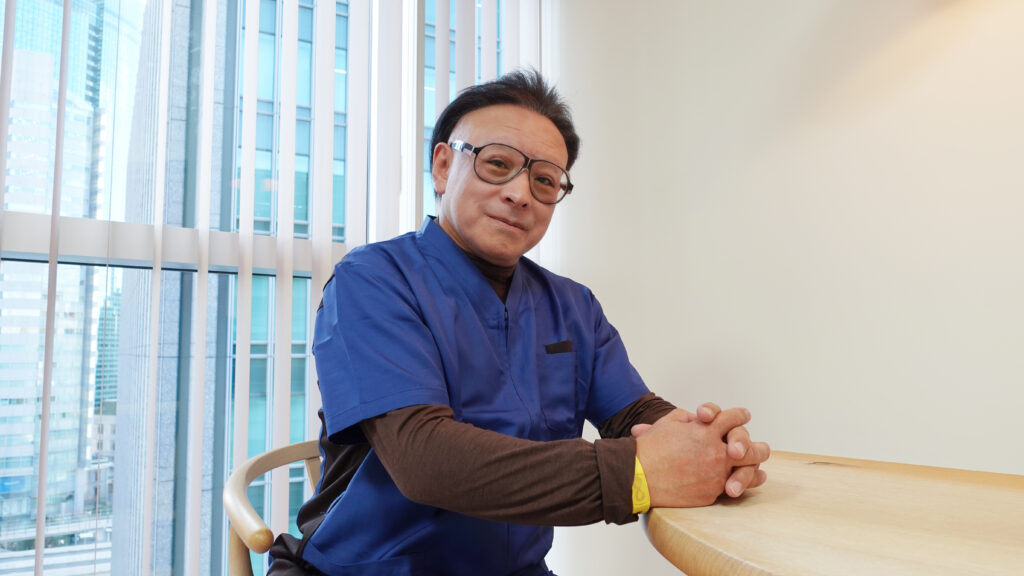
A message from Professor Yoshitaka Fukuzawa
These answers not only provide information about the latest cancer treatment technologies and the importance of screening, but also express my beliefs as a physician, hoping to send a message of hope and positivity to patients and healthcare professionals. I believe that if I can convey that medical advancements are increasing treatment options and giving more patients hope, it will be a small contribution to society and healthcare, and I intend to continue striving, moving forward, and working with sincerity every day.
Finally, my boss's motto is, "Effort is key every day, practice takes a thousand days, but the match is decided in an instant!" I will continue to strive with this spirit. I would greatly appreciate your continued support and cooperation.
summary
Professor Fukuzawa's experience and knowledge will serve as invaluable guidance for the future of gastroenterology and genomic medicine. We look forward to him continuing to work closely with patients and contributing to the advancement of medicine by utilizing the latest medical technologies.


Comment