
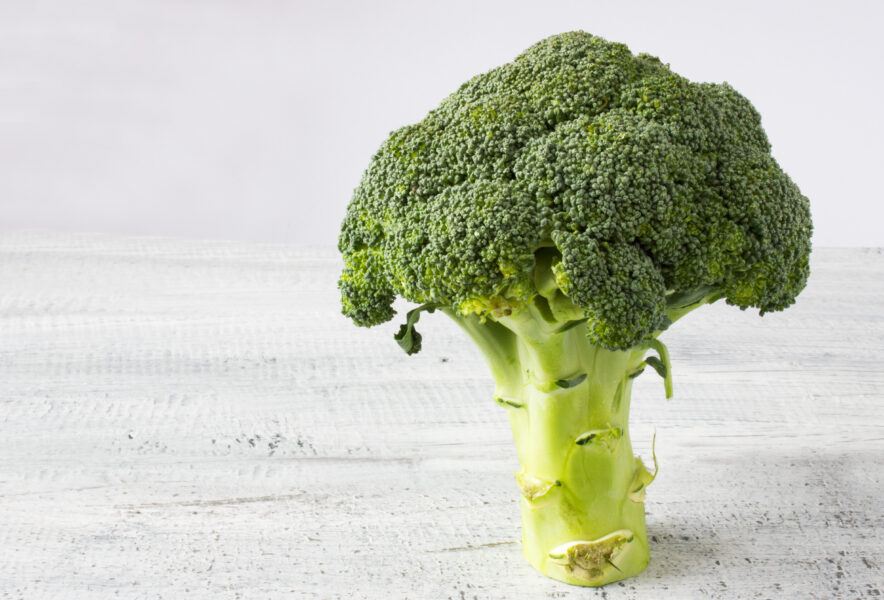
A balanced diet and moderate exercise are essential for a healthy life. Broccoli and strength training are a powerful combination that offers many health-related benefits. This article explores the health effects of broccoli and strength training.
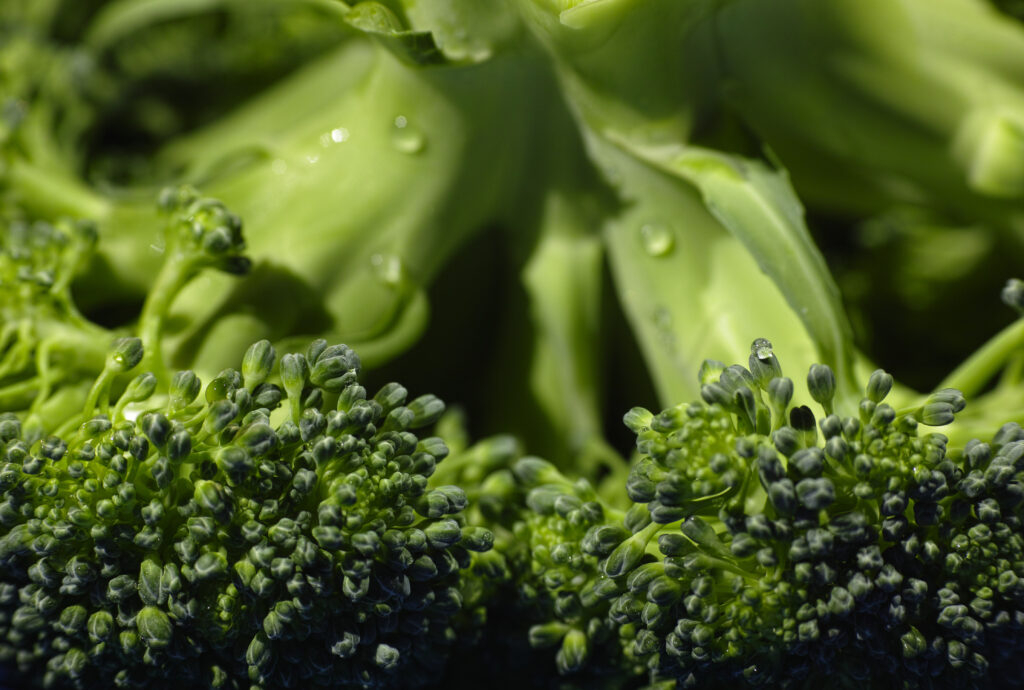
Broccoli is highly nutritious.
Broccoli is one of the most nutritious vegetables. It is rich in various nutrients, including vitamin C, vitamin K, vitamin A, folic acid, and dietary fiber. These nutrients offer various health benefits, such as strengthening the immune system, maintaining bone health, and promoting digestive function. Broccoli is also rich in antioxidants, which are thought to prevent cell damage and reduce the risk of chronic diseases.

The synergistic effect of broccoli and strength training
On the other hand, strength training plays an important role in improving physical health and function. By training muscles, muscle strength and endurance improve, and bone density increases. Strength training is also effective for weight management because it increases basal metabolism and promotes fat burning. Furthermore, strength training has been shown to improve cardiovascular function, lower blood pressure, and reduce the risk of diabetes and heart disease.
Combining broccoli with strength training offers further health benefits. First, the nutrients in broccoli play a crucial role in muscle repair and regeneration. The amino acids, vitamins, and minerals necessary for protein synthesis help muscle growth and repair, making consuming broccoli after strength training effective.
Furthermore, compounds found in broccoli, such as kaylcitrium, indjool, and glucoraffinin, are believed to reduce muscle inflammation and promote recovery. Therefore, incorporating broccoli into your diet immediately after or following a workout may support muscle recovery and lead to improved athletic performance.

Low-calorie broccoli is ideal for dieting.
Furthermore, broccoli is low in calories yet rich in dietary fiber, which helps increase satiety and prevent overeating. This is an important factor for people trying to manage their weight or diet.
Broccoli also contains antioxidants, which are thought to play a role in protecting the body from oxidative stress caused by exercise. Strength training and other forms of exercise can increase oxidative stress, potentially causing damage to cells and tissues. However, the antioxidants in broccoli are believed to help mitigate this damage and maintain healthy cells.

An all-purpose vegetable that even boosts your immunity.
Finally, broccoli also has immune-boosting effects. While the immune system tends to temporarily weaken after exercise, the vitamin C and other nutrients in broccoli have been shown to support immune function and increase resistance to inflammation and infection.
Broccoli and strength training are a powerful combination that can have a positive impact on your health. Broccoli's nutritional value and antioxidant properties support muscle recovery and growth, contributing to improved athletic performance. Furthermore, broccoli's low-calorie, high-fiber properties are helpful for weight management and dieting. Combining strength training with broccoli may promote a healthy lifestyle and potentially reduce the risk of chronic diseases.
A healthy diet incorporating broccoli and regular strength training offer a holistic approach to health. However, it's crucial to choose the appropriate diet and training program based on individual health conditions and goals. Seeking professional advice and guidance is also recommended.
Finally, the combination of broccoli and strength training is only part of building a healthy lifestyle, and you need to consider how it combines with other elements. Create a comprehensive health plan that includes a balanced diet, adequate sleep, and stress management.
Maintaining good health requires personal effort and consistent hard work. Broccoli and strength training are powerful tools to support that journey. By prioritizing your health and investing in your body and mind, you can achieve a fulfilling life and a healthy future.






Comment