
The basics and importance of stretching
Stretching is an exercise that lengthens muscles and joints to increase flexibility. Proper stretching can help prevent injuries, aid in fatigue recovery, and even boost immunity. Here, we'll take a closer look at the basics of stretching and its effects.
Types of stretching and their effects
There are two types of stretching: dynamic stretching and static stretching. It's important to understand the characteristics of each and use them appropriately depending on your purpose.
What is dynamic stretching?
Dynamic stretching is a method of stretching and contracting muscles while moving the body. It is effective when performed before exercise, warming up muscles and improving explosiveness and performance. Specific examples of dynamic stretching include the following:
- Swing one leg back and forth.By relaxing one leg and swinging it back and forth, you dynamically stretch the muscles in your leg.
- Twist your body from side to side.By swinging your arms while twisting your body from side to side in a relaxed state, you can stretch the muscles in your shoulders and back.
- Radio calisthenicsRadio calisthenics is effective in dynamically stretching the muscles of the entire body, making it ideal for a morning warm-up.
What is static stretching?
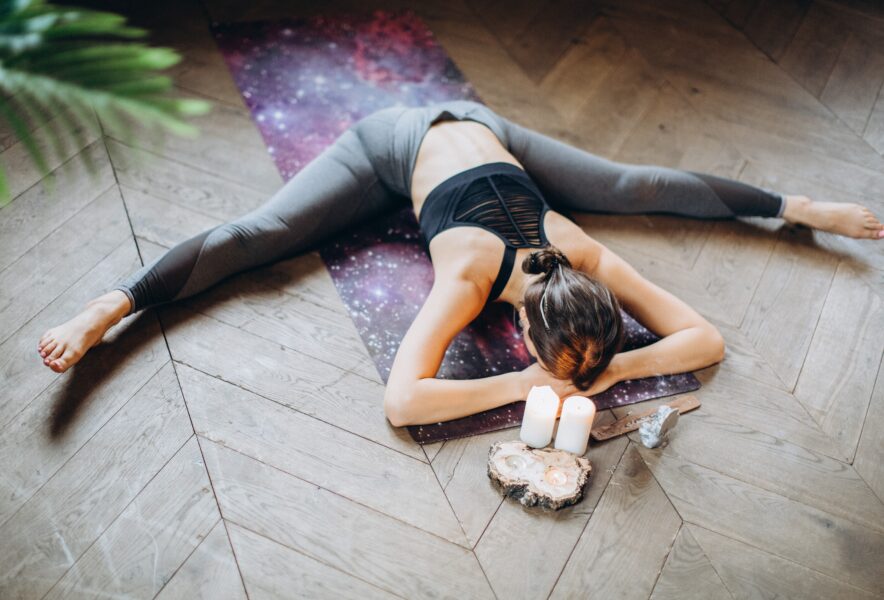
Static stretching is a method of slowly and gently stretching muscles. It is effective as a cool-down exercise after physical activity, relieving muscle tension and promoting recovery and relaxation. Specific examples of static stretching include the following:
- Forward bend stretchBy bending forward from the waist while standing and bringing your hands close to the floor, you stretch the muscles in your back and hamstrings.
- Shoulder stretchStretch your shoulder muscles by extending one arm straight forward and pulling with the other arm.
- Yoga posesYoga is a prime example of static stretching, and it enhances flexibility and relaxation by stretching muscles through various poses.
Specific effects of stretching
Regularly performing stretches can have the following benefits:
Improved flexibility
Stretching improves the flexibility of muscles and joints, making body movements smoother. A flexible body not only makes it easier to move around in daily life, but also contributes to improved sports and athletic performance.
Injury prevention
Performing dynamic stretches before exercise warms up muscles and increases the range of motion in joints. This reduces the risk of injury during exercise. Dynamic stretching is especially recommended before sudden movements or strenuous exercise.
Fatigue recovery
Performing static stretching after exercise helps to relieve muscle tension and promote blood flow. This allows for effective recovery from exercise-induced fatigue. Furthermore, static stretching has a relaxing effect, contributing to stress relief and mental refreshment.
Improving immunity
Stretching improves blood flow and overall circulation in the body. This boosts immunity and increases resistance to colds and infections. In particular, having a regular stretching routine helps maintain a healthy body.
How to practice stretching
To perform stretches effectively, it's important to pay attention to the following points.
Don't hold your breath.
During stretching, it's important to continue breathing slowly and deeply without holding your breath. Holding your breath makes your muscles tense, making it difficult to relax while stretching. Stretching your muscles while exhaling will allow you to relax more effectively.
Don't overexert yourself.
It's important not to stretch to the point of pain. Strong stretches that cause pain can injure muscles and joints. The key is to stretch slowly within a comfortable range.
Maintain correct posture
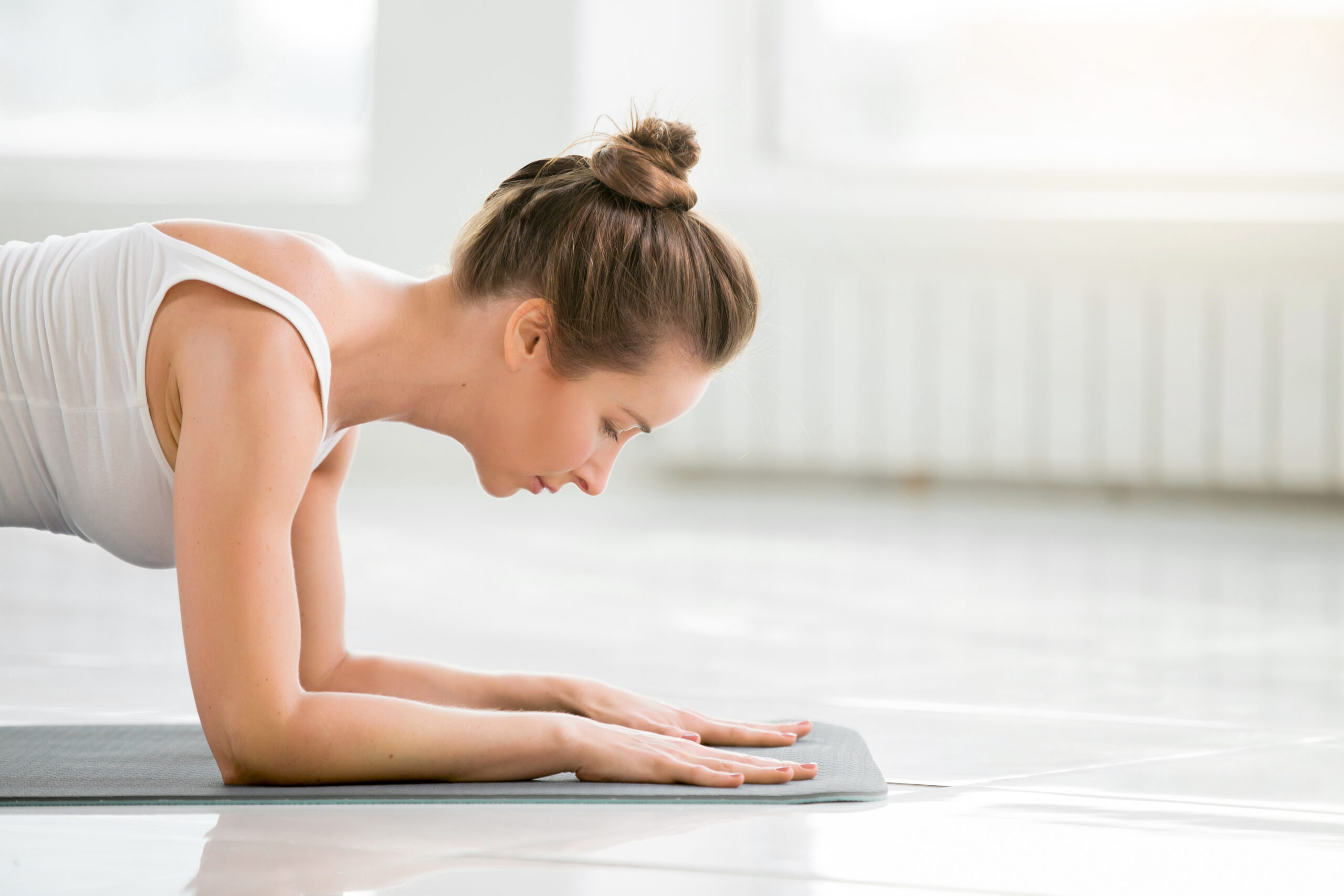
Maintaining correct posture is crucial when stretching. Poor posture not only reduces the effectiveness of the stretch but can also lead to injury. Be mindful of maintaining correct posture while stretching slowly.
summary
Stretching is an extremely effective exercise for injury prevention, fatigue recovery, and improving immunity. By using dynamic and static stretching techniques according to your purpose, you can increase flexibility and relax your body. Incorporate stretching into your daily life to maintain a healthy body.






Comment